Why Do I Always Feel Tired? Could It Be Iron Deficiency Anemia?
Constant fatigue, breathlessness during everyday tasks, and a pale complexion are often overlooked signs of a deeper problem: iron deficiency anemia. When your body doesn’t have enough iron to produce hemoglobin, it can’t deliver oxygen effectively to your tissues. The result? You feel like a smartphone with 10% battery—constantly drained, sluggish, and struggling to function.
TL;DR Summary
- Anemia is often caused by iron deficiency – When iron stores are low, oxygen delivery decreases, leading to fatigue.
- There are two dietary types of iron: Heme (animal-based, easily absorbed) and non-heme (plant-based, requires vitamin C for better absorption).
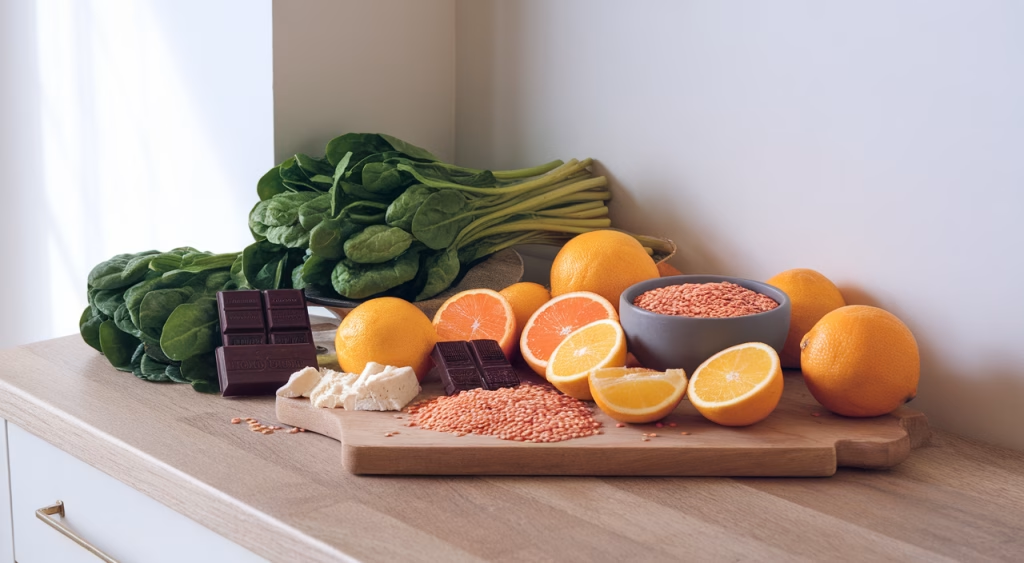
- Top iron-rich foods include: spinach, red meat, lentils, dark chocolate, shellfish, pumpkin seeds, poultry, tofu, quinoa, and fortified cereals.
- For best results, combine iron-rich foods with vitamin C sources like citrus fruits, tomatoes, or bell peppers to improve absorption.
- Avoid calcium-rich foods during iron-heavy meals as they can hinder iron absorption.
The Two Types of Iron and Why Absorption Matters
Not all iron is created equal when it comes to fighting anemia. Understanding the difference between these two types of iron-rich foods helps you make smarter dietary choices:
- Heme Iron: Found in animal products like red meat, poultry, and shellfish. The body absorbs heme iron efficiently without help from other nutrients.
- Non-Heme Iron: Found in plant-based iron-rich foods like lentils, spinach, tofu, and nuts. Its absorption is less efficient and highly influenced by what you eat with it.
Here’s a helpful way to think about it: imagine heme iron as taking a direct train where you’re guaranteed a seat, while non-heme iron is more like catching a crowded bus during rush hour—you might get onboard with help, but it’s less certain.
To boost absorption of non-heme iron from iron-rich foods, always pair them with a good source of Vitamin C—something as simple as adding lemon juice to your salad or cooking beans with tomatoes.
Hand Temperature and Gut Health: Why Cold Hands May Signal Digestive Issues
12 Iron-Rich Foods That Can Naturally Combat Anemia
1. Cooked Spinach: The Leafy Iron Legend
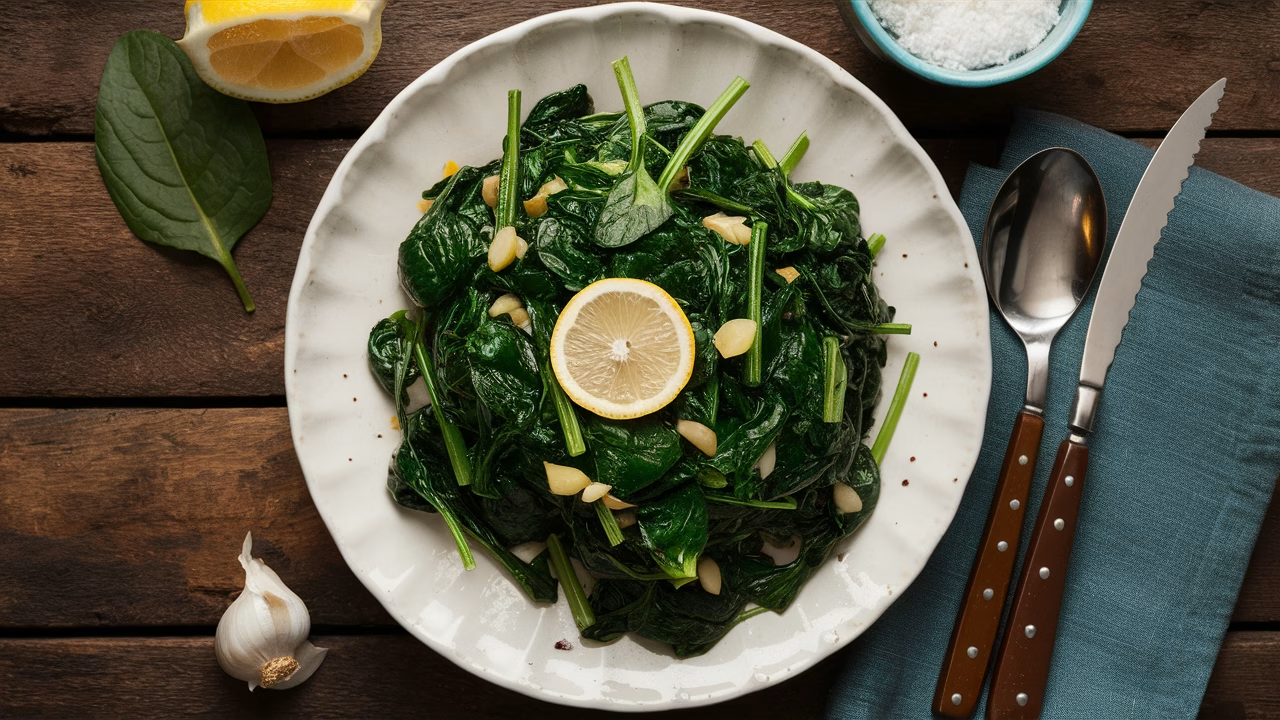
Spinach ranks among the most powerful iron-rich foods for fighting anemia. A single cup of cooked spinach delivers about 3.8 mg of iron along with a respectable amount of Vitamin C. Cooking reduces its oxalate content, which otherwise hinders iron absorption from this iron-rich food.
Try sautéing spinach with garlic and a splash of lemon. Or blend it into a smoothie with strawberries for a double iron-boosting effect.
2. Red Meat: The Gold Standard of Heme Iron
If you’re experiencing significant anemia symptoms, lean red meats like beef and lamb are among the most effective iron-rich foods for rapid recovery. A 3-ounce serving of lean beef offers around 2.5 mg of highly absorbable heme iron, making it a quick fix when your iron levels are dangerously low.
Cook it medium with roasted veggies, or stir-fry in strips for easy pairing with other iron-rich foods like bell peppers.
3. Lentils: Plant-Based Iron with Muscle
Among vegetarian iron-rich foods, lentils reign supreme. One cooked cup packs a surprising 6.6 mg of iron—an excellent figure for plant-based nutrition. Lentils also deliver protein and fiber, making them wholesome iron-rich foods for vegetarians and vegans.
Boost their effectiveness by simmering with tomatoes or peppers, and remember to soak them first to reduce phytic acid, another common inhibitor of iron absorption.
4. Dark Chocolate: A Delightful Surprise
Yes, dessert can be one of your favorite iron-rich foods. High-quality dark chocolate (70%+ cocoa) contains around 3.3 mg of iron per ounce, making it surprisingly effective for anemia prevention.
Shave it over an orange-strawberry spinach salad, or pair with vitamin C-rich fruit for an antioxidant-rich iron boost.
5. Shellfish & Oysters: Iron from the Sea
Just six medium oysters provide roughly 5.5 mg of heme iron, making them ultra-efficient iron-rich foods. Whether fresh or canned, they’re an excellent way to replenish lost iron stores when fighting anemia.
Add to a garlic-lemon whole-wheat pasta or top on salads. Bonus: they’re also high in zinc and Vitamin B12.
6. Pumpkin Seeds: Tiny but Mighty
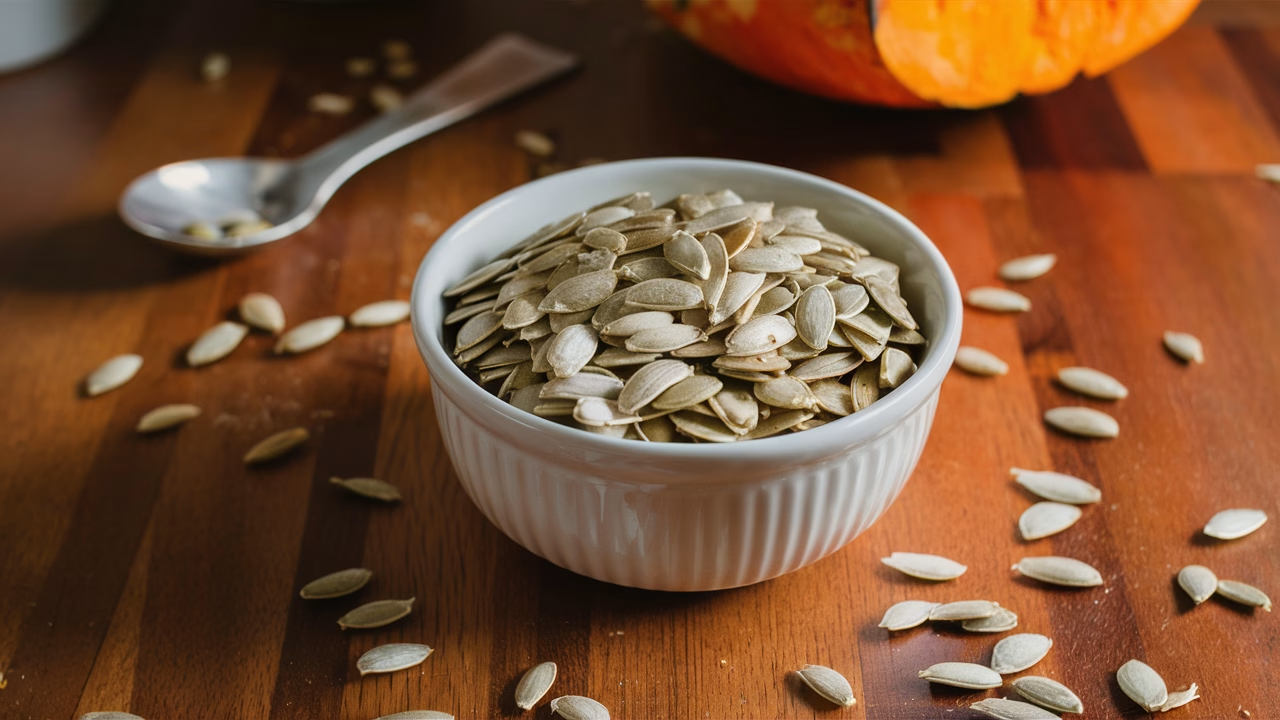
With 2.5 mg of iron per 1/4 cup, pumpkin seeds rank high among portable iron-rich foods. They also contain zinc and magnesium for overall vitality, making them perfect anemia-fighting snacks.
Toast them lightly for a flavorful crunch or blend into your favorite smoothie bowls.
7. Poultry: Dark Meat Does More
Turkey and chicken, especially dark meat parts like thighs, contain 1.4–1.7 mg of heme iron per 3-ounce serving. These lean iron-rich foods are versatile and easily included in daily meals.
Grill with lemon zest or marinate in a tomato base for improved iron absorption.
8. Tofu and Tempeh: Veg-Friendly Iron Heroes
A half-cup of firm tofu provides about 3.4 mg of iron, making it one of the best plant-based iron-rich foods. Tempeh adds digestive benefits through fermentation and may support better nutrient uptake from other iron-rich foods.
Pair in citrus-soy stir fries with bell peppers, snap peas, or pineapple.
9. Quinoa: Ancient Grain, Modern Solution
Cooked quinoa delivers around 2.8 mg of iron per cup. It’s also a complete protein, making it very useful among grain-based iron-rich foods for vegetarians battling anemia.
Use it as a salad base with spinach, pumpkin seeds, and citrus-based dressing for a superfood combo.
10. Iron-Fortified Cereals: Morning Boost
Some breakfast cereals pack up to 18 mg of added iron per serving, making them convenient iron-rich foods for busy mornings. Choose whole-grain versions and pair with strawberries or orange juice for the best iron retention before starting your day.
How to Enhance Your Iron Absorption Naturally
Eating iron-rich foods is only half the equation for beating anemia. Maximize your efforts with these evidence-based tips:
- Pair iron-rich foods with Vitamin C sources like citrus fruits and tomatoes.
- Avoid dairy with iron-rich meals—it competes for absorption.
- Cook your greens! This breaks down oxalates that block iron absorption.
- Use cast iron pans—small amounts of iron leach into your food naturally.
Cost & Nutrition Comparison: Plant vs. Animal Sources
| Food | Iron Content (mg) | Type | Estimated Cost/Serving |
|---|---|---|---|
| Cooked Spinach (1 cup) | 3.8 | Non-Heme | $0.80 |
| Red Meat (3 oz) | 2.5 | Heme | $3.00 |
| Lentils (1 cup) | 6.6 | Non-Heme | $0.60 |
| Oysters (6 med) | 5.5 | Heme | $1.50 |
| Fortified Cereal | Up to 18.0 | Mixed | $0.90 |
Frequently Asked Questions
- Can I get enough iron without eating meat? Yes—plant-based iron-rich foods like lentils, quinoa, and tofu paired with Vitamin C sources can meet your needs.
- How long does it take to fix iron deficiency through diet? Typically 2–4 months of consistently eating iron-rich foods can raise levels, depending on severity.
- What drinks help with iron absorption? Fresh orange juice, lemon water, or smoothies with berries help—avoid tea or coffee during meals with iron-rich foods.
- What foods block iron absorption? Calcium-rich foods, tea, coffee, and high-fiber foods can inhibit iron uptake from iron-rich foods.
- Is cast iron cookware helpful? Yes, small amounts of iron leach into food during cooking, contributing to your daily intake from iron-rich foods.
- Why do I still feel tired even after eating well? Other factors like thyroid levels, B12, or chronic conditions might also be at play—consult with a healthcare provider.