Why Am I Always Tired on a Vegan Diet?
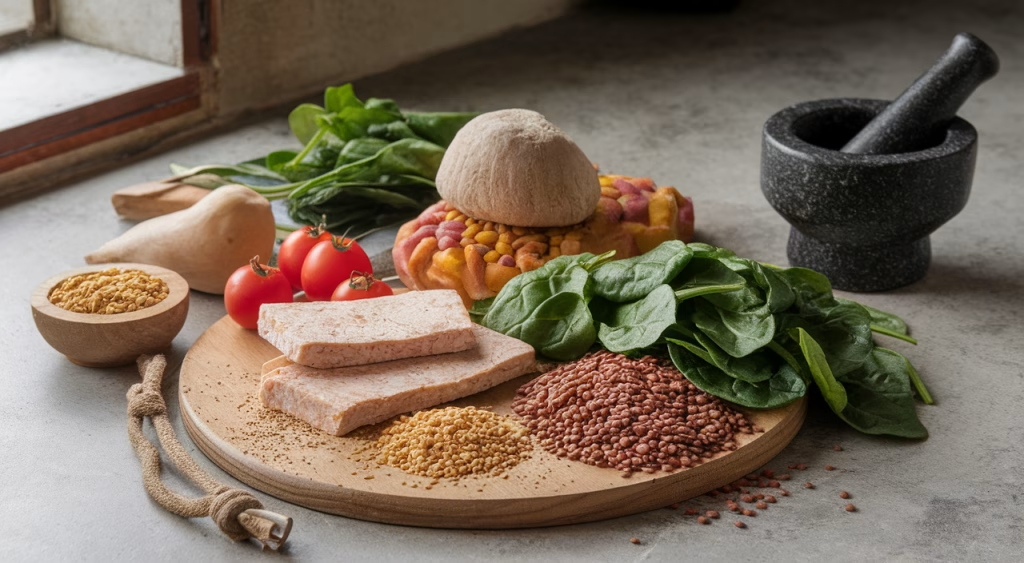
If you constantly feel sluggish despite sleeping well and eating balanced meals, iron and vitamin B12 deficiencies might be the hidden culprits. These two nutrients are essential for oxygen transport and nerve function, yet they can be tricky to source on a purely plant-based diet. But here’s the good news: With the right vegan foods high in iron and B12, you can meet your daily nutrition needs without compromising your vegan values.
TL;DR
- Iron helps carry oxygen throughout your body and supports immune health.
- Vitamin B12 is essential for nerve function, red blood cell formation, and DNA synthesis.
- Vegans are at higher risk of deficiencies due to limited natural sources in plant foods.
- You can get these nutrients directly from vegan-friendly sources like nutritional yeast, tempeh, lentils, and fortified foods.
- Pair plant iron-rich foods with vitamin C to enhance absorption, and avoid tea or coffee near meals to prevent uptake disruption.
- Focusing on these vegan energy foods can help you thrive—not just survive—on a plant-based lifestyle.
Top Iron and B12 Powerhouse Foods Every Vegan Should Know
Nutritional Yeast: B12 Gold with a Cheesy Kick
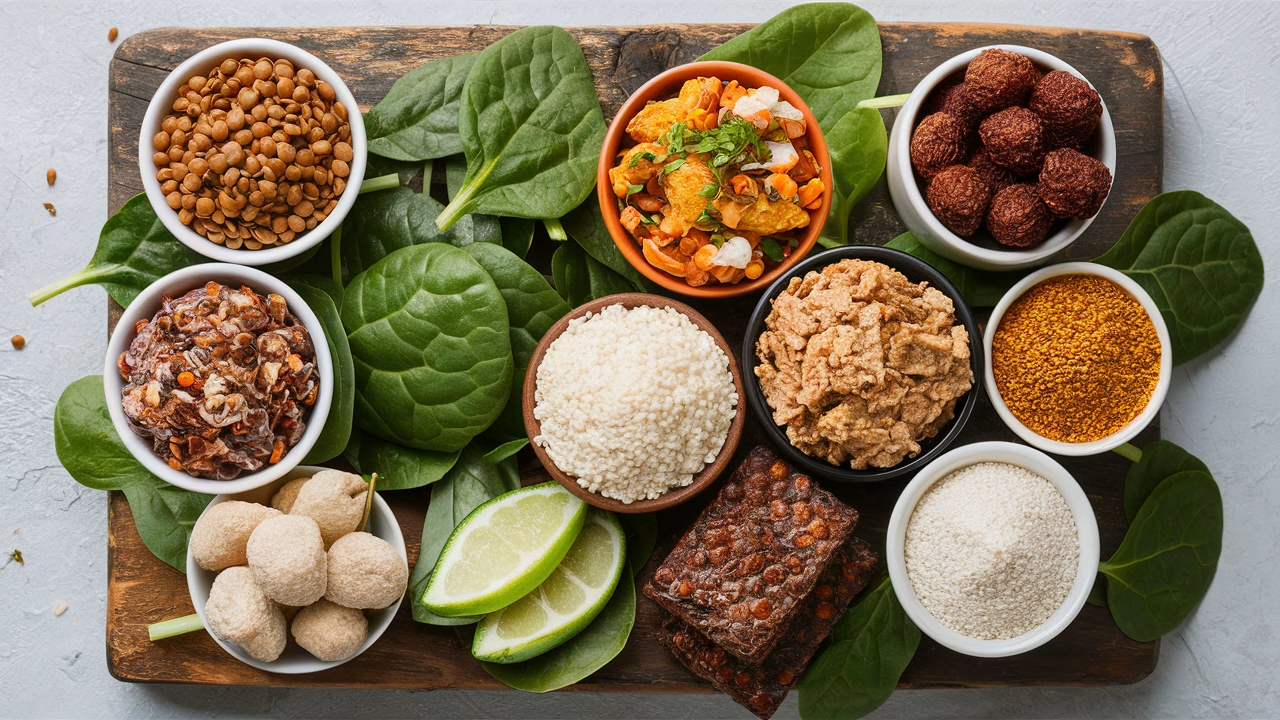
Often affectionately dubbed nooch, nutritional yeast is a pantry essential for many plant-based eaters—and for good reason. These fortified foods offer a staggering 100% or more of your daily vitamin B12 needs in just two tablespoons. Plus, it’s a complete protein, boasting all nine essential amino acids. Its nutty, cheesy flavor makes it incredibly versatile for plant-based nutrition: sprinkle it over pasta, blend it into sauces, or toss on your popcorn for a savory, nutrient-packed snack that supports your energy levels.
Tempeh: Fermented Iron and Probiotics in One
Meet tempeh, tofu’s fermented, slightly nutty cousin that’s among the best vegan foods high in iron. One cup offers about 4.5 mg of plant iron—around 25% of your daily nutrition needs. Tempeh’s fermentation makes its nutrients more bioavailable and also introduces probiotics for better gut health. Try grilling it in skewers, adding it to sandwiches, or crumbling it into stir-fries for texture and minerals that boost your energy levels naturally.
Fortified Plant Milks: A Smoothie Secret Weapon
Want to turbocharge your morning smoothie with vegan energy foods? Swap in a cup of fortified soy, almond, or oat milk. These fortified foods often include B12 and iron, sometimes delivering half your daily B12 requirement in one go. Always check labels—this varies by brand—and opt for unsweetened choices to skip added sugars while still soaking up the plant-based nutrition benefits.
Lentils: Budget-Friendly Iron Heroes
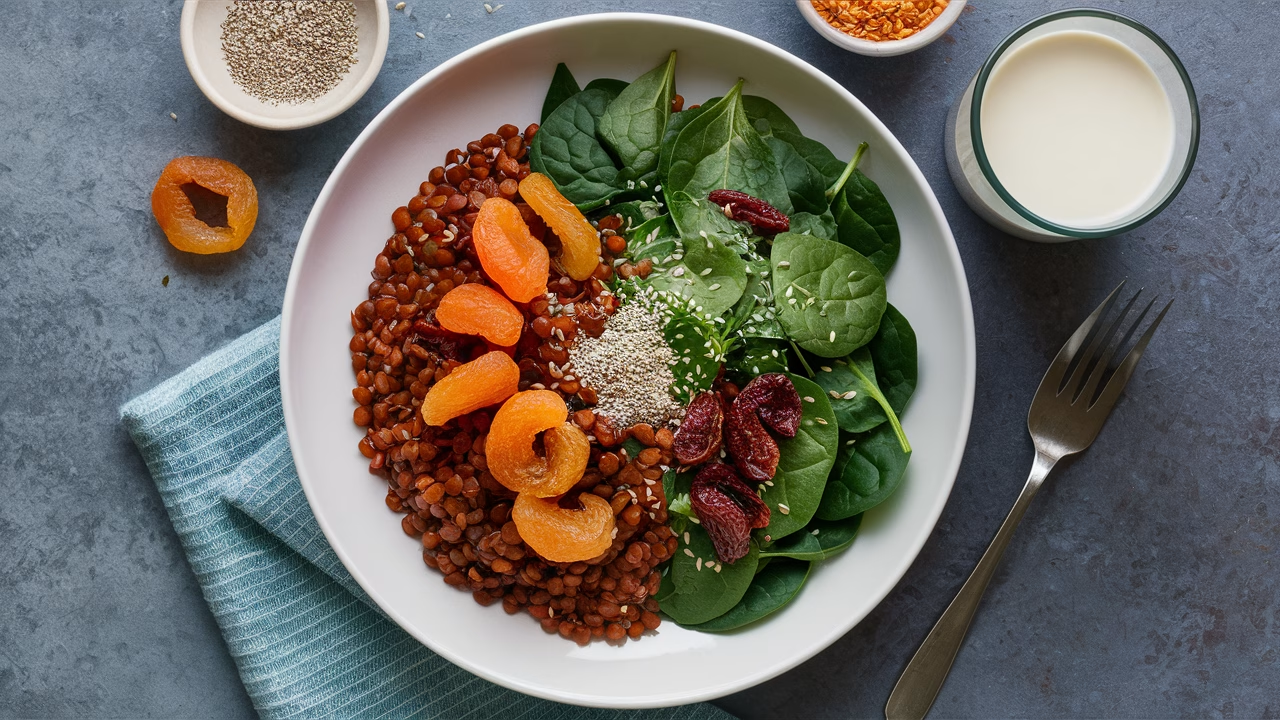
Whether tossed in soups or bulked up in salads, lentils are hard to beat with nearly 7 mg of plant iron per cooked cup. That’s almost 40% of your daily nutrition intake. Because lentils don’t come with the fat of red meat or the price tag of some supplements, they’re the perfect go-to among vegan foods high in iron. Boost absorption further by pairing with vitamin C-rich ingredients like tomatoes, citrus, or bell peppers to maximize your energy levels.
Blackstrap Molasses: The Iron Syrup You Didn’t Know You Needed
Don’t overlook this dark, bittersweet syrup that’s packed with plant iron. Just one tablespoon of blackstrap molasses packs around 3.5 mg of iron, making it one of the most concentrated vegan energy foods available. Add a spoonful to oatmeal or smoothies, or use it in recipes for gingerbread or barbecue sauce. It’s a nostalgic ingredient with modern-day benefits for daily nutrition and vitality.
Boosting Vegan Nutrition the Smart Way
Spinach: The Leafy Green with Muscle
Popeye had it right when it comes to plant iron sources. Cooked spinach yields about 6.4 mg of iron per cup, making it one of the top vegan foods high in iron. However, this type of plant iron (non-heme) is harder to absorb, so always cook your spinach and pair it with lemon juice or tomato-based sauces to maximize absorption for better energy levels. Bonus: cooking reduces oxalates, which interfere with iron uptake in your daily nutrition.
Hemp Seeds: Tiny Seeds, Huge Returns
With about 2.7 mg of plant iron per three-tablespoon serving, hemp seeds are quiet champions among vegan energy foods. Sprinkle them on salads, oatmeal, or smoothies without needing to grind them first like you do with flax seeds. Their mild flavor hides a strong nutritional profile—including anti-inflammatory omega-3s for brain support and sustained energy levels throughout your day.
Dried Apricots: Energy in Every Bite
Sweet and chewy dried apricots bring in about 1.7 mg of plant iron per half-cup, earning their place among natural vegan energy foods. They’re a fantastic pre-workout snack or trail mix addition that supports your daily nutrition goals. Just watch your portion sizes—dried fruits are concentrated sources of sugar, so balance is key for maintaining steady energy levels.
Fortified Cereal: The Ultimate Morning Hack
Yes, breakfast can be your secret weapon for plant-based nutrition. Look for whole-grain cereals among fortified foods with 100% of your daily B12 need. Eat them with fortified plant milk for a double nutrient dose that kickstarts your energy levels. It’s efficient, tasty, and easy to incorporate into a busy lifestyle while meeting your daily nutrition requirements.
Shiitake Mushrooms: Undervalued but Nutrient-Dense
Cooked shiitake mushrooms offer about 1.7 mg of plant iron per cup and contain trace amounts of naturally occurring B12—rare among vegan foods high in iron and B12. Their rich umami flavor makes them excellent for stir-fries, ramen, or risotto while supporting your energy levels. Dried shiitakes pack even more nutrients, so keep them in your pantry as reliable vegan energy foods to rehydrate when needed.
Maximize Iron Absorption: Simple Tips That Make the Difference
Eating the right vegan foods high in iron is only half the battle. Timing and pairings also play a crucial role in optimizing plant-based nutrition and your energy levels.
- Pair plant iron with vitamin C: Try strawberries, kiwi, or bell peppers with lentils or spinach to boost your daily nutrition.
- Avoid tea and coffee around meals: The tannins can block up to 70% of iron absorption from vegan energy foods. Wait at least an hour.
- Cook certain veggies: Spinach and kale contain oxalates that decrease absorption. A quick sauté can improve your energy levels significantly.
How to Get Rid of Bad Breath Forever: 7 Proven Halitosis Remedies That Actually Work
Cost Guide: Affordable Energy-Boosters You Can Count On
| Food | Approx. Cost Per Serving | Main Nutrients |
|---|---|---|
| Nutritional yeast | $0.50 | B12, protein |
| Lentils | $0.25 | Iron, protein, fiber |
| Tempeh | $1.00 | Iron, probiotics |
| Blackstrap molasses | $0.40 | Iron, calcium |
| Shiitake mushrooms | $1.20 | Iron, B12 (trace) |
Frequently Asked Questions
- Which plant foods are best for iron and B12? Top choices include fortified nutritional yeast, lentils, tempeh, fortified cereals, and plant milks.
- Can I get enough B12 on a vegan diet without supplements? While it’s possible through fortified foods, many vegans still benefit from supplementation, especially long-term.
- How do I know if I’m deficient in iron or B12? Persistent fatigue, weakness, or trouble concentrating can indicate deficiency. Only a blood test can confirm it.
- Does cooking reduce iron content in vegetables? Not significantly. In fact, cooking can help reduce compounds that block absorption, like oxalates.
- Should I avoid tea and coffee completely? No, just try to enjoy them an hour before or after iron-rich meals.
- How often should I eat these foods? Aim to include a variety of iron- and B12-rich foods daily. Rotate often to cover nutrient gaps.
- What are signs of improved iron levels? Increased energy, better focus, and less shortness of breath are good indicators of progress.