What’s the Real Difference Between Probiotics and Prebiotics?
Understanding probiotics vs prebiotics is essential for optimal gut health. In simplest terms, probiotics are live beneficial bacteria that support your digestive system. Prebiotics are the specialized fibers that feed those bacteria and help them thrive. Think of probiotics as seeds you plant in a garden, and prebiotics as the sunlight, nutrients, and rich soil that help them grow. You need both to cultivate a healthy gut microbiome.
TL;DR
- Probiotics are live microorganisms that support digestion, immunity, and even mental health.
- Prebiotics are non-digestible fibers and nutrients that feed your gut’s good bacteria.
- Taking probiotics without prebiotics often leads to bloating, fatigue, or zero noticeable benefit.
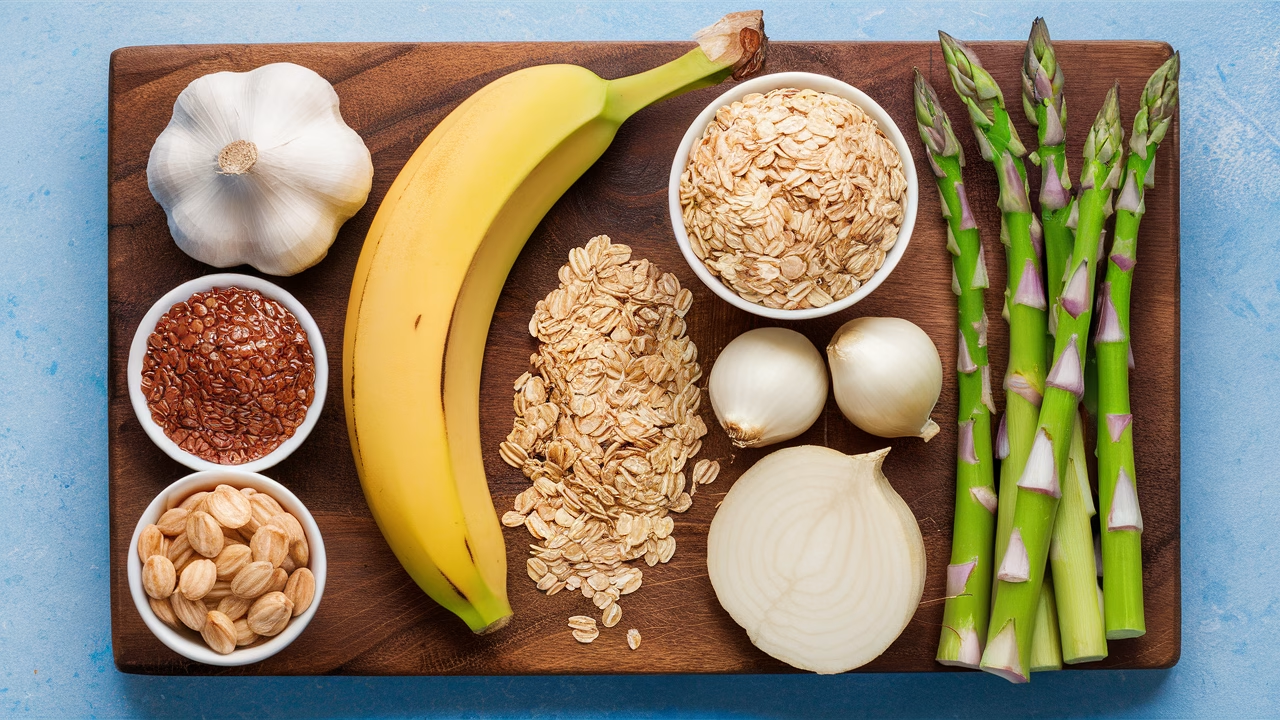
- Great prebiotic foods include bananas, oats, garlic, onions, and flaxseeds.
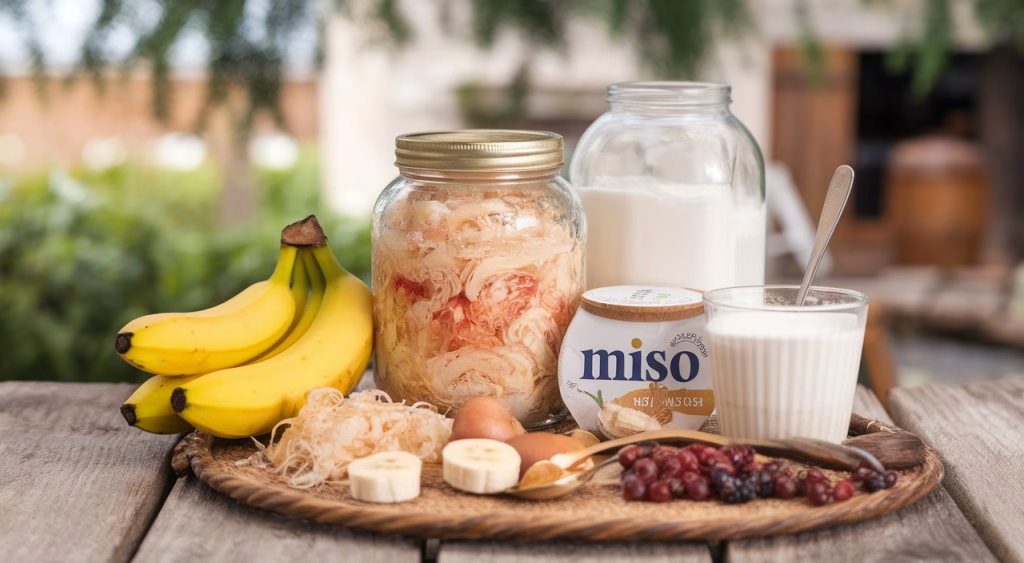
- Fermented foods like yogurt, kefir, and sauerkraut are rich in natural probiotics.
- Combining prebiotics + probiotics (like yogurt with banana and flax) activates real gut-healing benefits.
- 70% of your immune system lives in your gut—take care of it holistically.
Why Gut Health Matters More Than You Think
Many of us think good digestion is simply about avoiding bloating or constipation. But your gut microbiome is actually the epicenter of your body’s entire ecosystem. It influences your immune system, neurotransmitter production (hello, serotonin!), skin clarity, energy levels, and how well you absorb nutrients. If you’ve been relying on probiotics alone, you might be missing the true magic of microbial balance and optimal digestive health.
7 Early Warning Signs of Thyroid Issues You Shouldn’t Ignore (2024 Guide)
What Are Probiotics, Really?
Probiotics are live microorganisms—mainly bacteria—that support a balanced gut microbiome. These beneficial bacteria help maintain intestinal health, bolster immune function, reduce inflammation, and even regulate mood via the gut-brain axis. When we talk about probiotics vs prebiotics, probiotics are the active players working directly in your digestive system.
How Probiotics Support Your Body
Let’s break down what adding probiotics actually does inside your body for optimal gut health:
- Supports digestion: breaks down complex food particles and assists nutrient absorption.
- Reduces inflammation: crowds out harmful bacteria that can trigger autoimmune responses.
- Boosts mood: via the gut-brain axis, they help regulate anxiety and mental clarity.
- Improves immunity: roughly 70% of your immune system lives in your gut microbiome!
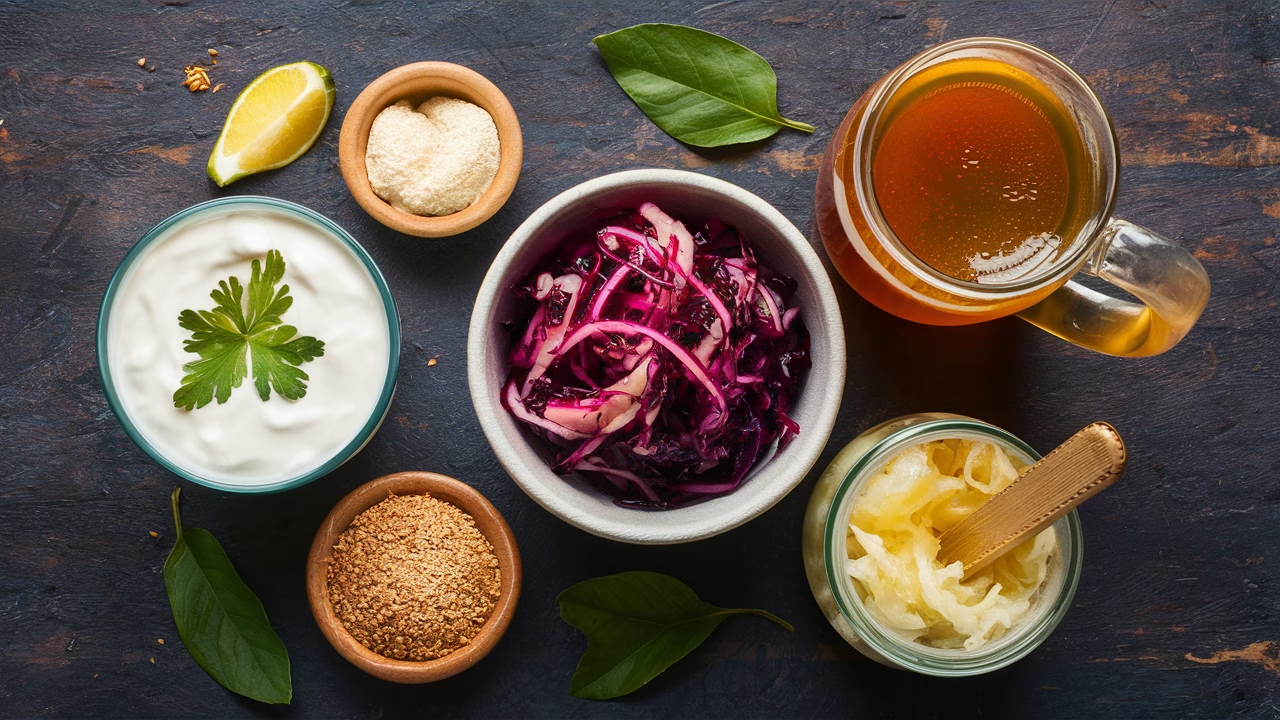
Natural food sources of probiotics include:
| Food | Type of Probiotic |
|---|---|
| Yogurt | Lactobacillus, Bifidobacteria |
| Kefir | Multiple strains, including yeast and bacteria |
| Sauerkraut | Lactic acid bacteria |
| Kombucha | Acetobacter, Gluconacetobacter |
| Miso | Aspergillus oryzae |
Why Probiotics Alone Aren’t Enough for Gut Health
Here’s what most people get wrong about probiotics vs prebiotics: popping a probiotic pill isn’t a complete solution for digestive health. We used to think the same. But without the right nourishment—aka prebiotics—those healthy microbes have nothing to eat. Picture trying to grow flowers without watering the soil. You can plant all the seeds you want, but nothing blooms in your gut microbiome.
And the symptoms? They show up as bloating, brain fog, fatigue, or even recurring acne—all signals from your gut asking for prebiotic support.
What Are Prebiotics and Why Are They Crucial for Digestive Health?
Prebiotics are specialized non-digestible fibers that feed and energize your gut’s beneficial bacteria. They’re found naturally in many plant-based foods, especially those high in soluble fiber and inulin. When you consume prebiotics regularly, they become the secret fertilizer for your inner ecosystem and gut microbiome.
Top Prebiotic Power Foods for Gut Health
- Oats
- Bananas
- Onions
- Garlic
- Leeks
- Chicory root
- Asparagus
- Apple skins
- Flaxseeds
These prebiotic foods don’t just “clean” your digestive system. They selectively feed the right bacteria so your entire gut microbiome stays strong—and that impacts nearly every aspect of how you function.
How—and When—to Combine Probiotics and Prebiotics
Understanding probiotics vs prebiotics means knowing that timing and combinations matter for optimal gut health. For example, taking a probiotic supplement with a fiber-rich snack isn’t just efficient—it ensures those microbes survive your stomach’s acidic journey and arrive in the intestines ready to support your digestive health.
Smart synbiotic combinations include:
- Yogurt + banana + flaxseeds: Probiotics + multiple prebiotics for a boosted start to the day
- Sauerkraut in an oat bran wrap: Delicious and functional fermentation in every bite
- Kombucha + handful of pistachios: Adds polyphenols and fiber to the friendly microbes
These combinations create synbiotics—products or meals where probiotics and prebiotics are intentionally paired for maximum gut health benefits. Think of it as teamwork at its finest for your digestive system.
Long-Term Benefits of a Complete Gut Health Routine
When you consistently include both probiotics and prebiotics in your routine, the effects extend far beyond digestive health. Many people report:
- Fewer sugar cravings
- More stable energy throughout the day
- Clearer skin
- Improved emotional resilience
- Less bloating or irregularity
But—this only happens with consistency. Regular, mindful intake of whole-food sources pays off over weeks, not days. It’s not a magic pill but a lifestyle shift toward better gut health.
FAQs About Probiotics vs Prebiotics
- Can I take probiotics and prebiotics at the same time?
Yes—and in fact, combining both is the most effective way to improve gut health via synbiotic synergy. - When should I take them?
It’s best to consume probiotic-rich foods 30 minutes before meals and pair them with prebiotic-rich options at the same time. - What if I experience gas or bloating?
Mild digestive changes can occur as your microbiome adjusts. Start slowly and increase fiber gradually. - Are supplements as good as food?
Whole foods offer not only diverse strains but also essential nutrients that supplements can’t replicate entirely. - Do kids benefit too?
Absolutely. Prebiotic foods like bananas and oats are family-friendly and can support kids’ immunity and digestion. - How long before I see results?
Many people report digestive improvements within 1–2 weeks and more systemic benefits like skin and mood after 3–6 weeks.
Conclusion: Feed Your Inner Garden
Think of your gut microbiome like a delicate ecosystem. You wouldn’t plant seeds and never water them, right? Your digestive health thrives when both probiotics and prebiotics work in concert, not isolation. With just a few smart tweaks to your plate—like adding garlic to your stir-fry or tossing a handful of flax on your morning yogurt—you’re cultivating a stronger, more resilient you.
Gut health is where true wellness begins. Feed your probiotics, respect your prebiotics, and treat your digestive system like the garden it is—it will pay you back in energy, radiance, and vitality.
Cost Guide: How Much Does a Gut Health Routine Cost?
| Item | Average Monthly Cost |
|---|---|
| Probiotic-rich foods | $15–30 |
| Prebiotic foods | $10–20 |
| Supplements (optional) | $25–50 |