What Are the Best Foods for Strong Bones as Part of Healthy Eating Habits?
To maintain strong bones throughout your life, your diet needs more than just calcium. Combining a variety of nutrient-rich foods strengthens your skeletal system and supports your overall health. By adopting healthy eating habits, you can fuel your bones with calcium, vitamin D, magnesium, and other essential nutrients your body craves to stay resilient and mobile.
TL;DR: Best Foods and Habits for Stronger Bones
- Greek yogurt, aged cheeses – high in calcium, protein, and probiotics.
- Leafy greens – kale, bok choy, and collard greens deliver easily absorbed calcium and magnesium.
- Fatty fish – salmon and sardines provide vitamin D and omega-3 fatty acids.
- Nuts and seeds – almonds and sesame are rich in calcium, magnesium, and healthy fats.
- Eggs and legumes – offer protein, phosphorus, vitamin D, and isoflavones.
- Prunes, sweet potatoes, herbs – support bone remodeling and reduce calcium loss.
- Establish balanced meal planning for consistent nutrient intake and weight management.
- Combine nourishing foods with weight-bearing exercise and sun exposure for holistic bone support.
Why Healthy Eating Habits are Crucial for Bone Health
You may not realize it, but every three seconds, someone somewhere cracks or fractures a bone due to poor bone density. Much like a tree that needs strong roots to withstand wind, your bones need the right nutrients to withstand the wear and tear of daily life. Healthy eating habits aren’t a luxury—they’re the foundation for skeletal strength.
When you nourish your body with the right balance of nutrients, your bones respond with resilience. Weak diets that skip over key nutrients can lead to decreased bone mass and higher risks of osteoporosis later in life. Being strategic about what you eat ensures that your bones stay strong and supportive well into your golden years.
How to Stop Hiccups Fast: Proven Causes, Treatments & Natural Remedies
Top Nutrients for Bone Health (And Where to Find Them!)
Let’s decode what your bones actually need, and where to find it in your next meal:
| Nutrient | Main Function | Best Food Sources |
|---|---|---|
| Calcium | Bone structure and strength | Yogurt, aged cheese, leafy greens, seeds |
| Vitamin D | Calcium absorption | Fatty fish, egg yolks, fortified milk |
| Magnesium | Converts vitamin D into its active form | Legumes, nuts, leafy greens |
| Vitamin K | Facilitates bone mineralization, activates osteocalcin | Kale, parsley, aged cheese |
| Protein | Builds collagen matrix in bones | Eggs, Greek yogurt, legumes |
| Phosphorus | Bone mineralization | Eggs, dairy, beans |
Simple Meal Planning Tips for Beginners
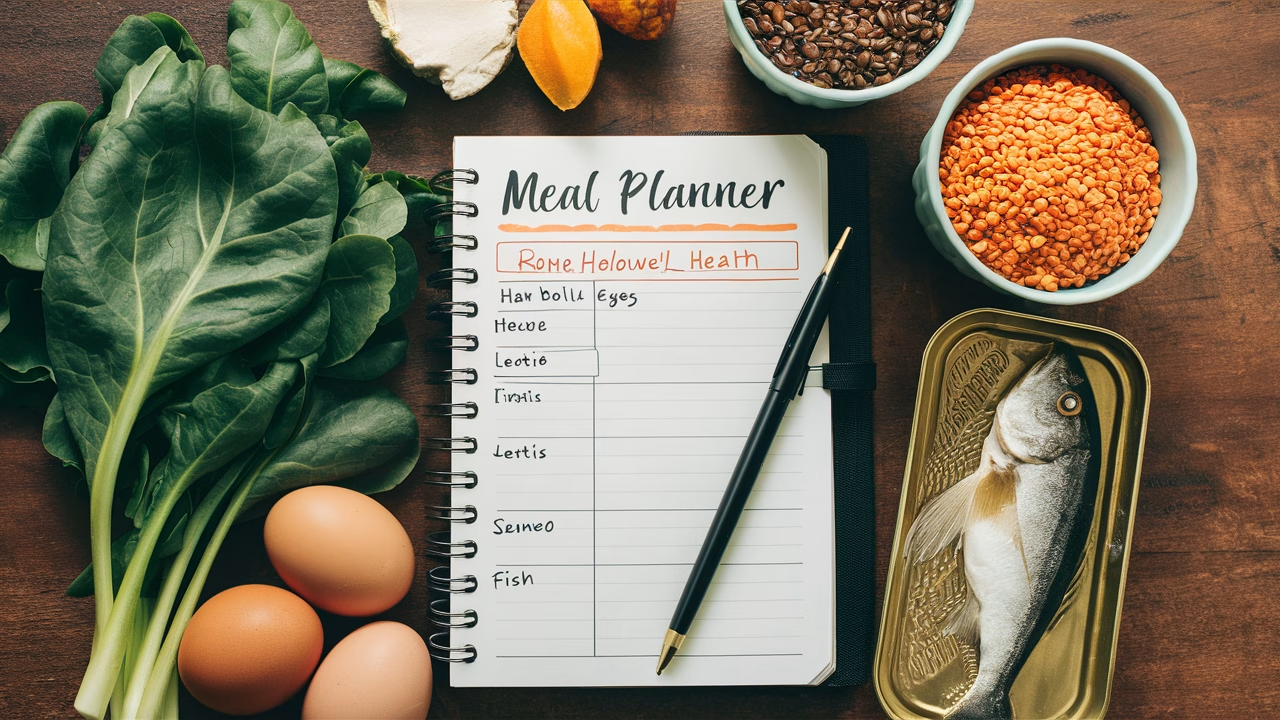
Ever stood in front of your fridge, wondering what to eat? You’re not alone. If meal planning sounds overwhelming, start with this: plan for nutrients, not just calories. Building meal plans with bone health in mind helps guarantee long-term wellness and simplifies your weekly food prep.
- Plan 2 servings of leafy greens daily: Add kale to smoothies or sauté bok choy with dinner.
- Include fatty fish twice per week – Try grilled salmon sandwiches or sardine toast for a calcium-D combo.
- Rotate proteins – Swap beef with legumes, chicken with pasture-raised eggs.
- Snack smart – Almonds, sesame crackers, and prunes double as on-the-go bone builders.
- Batch-prep beans – Cook lentils or chickpeas on Sunday for salads, soups, and wraps all week.
Remember: meal planning isn’t about rules—it’s about creating rhythms that serve your health goals and build lasting healthy eating habits.
Nutrient-Rich Foods for a Healthy Lifestyle
Now, let’s build your grocery list. These nutrient-rich foods don’t just support your bones—they nurture your entire system and help you maintain a balanced diet that promotes long-term wellness.
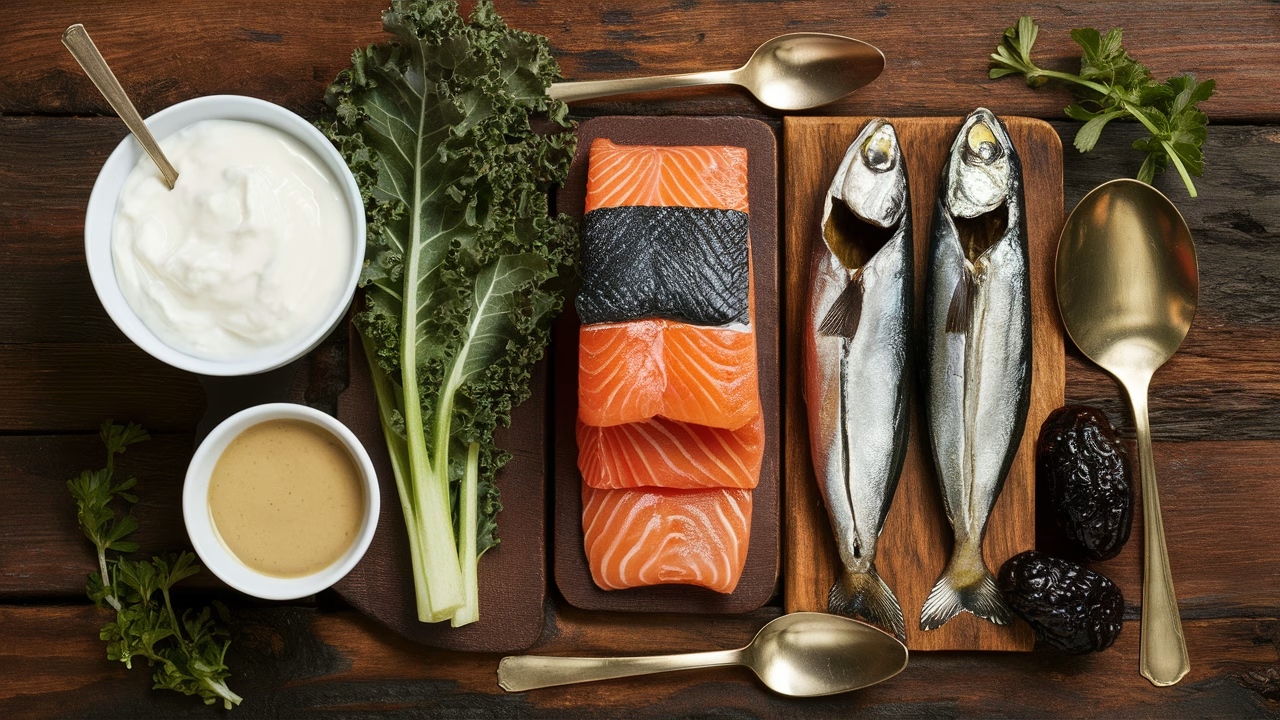
- Greek Yogurt: Higher in protein and probiotics than regular yogurt, making it a nutrition powerhouse.
- Kale & Bok Choy: Rich in calcium and magnesium with high bioavailability for optimal absorption.
- Salmon & Sardines: Dual power of vitamin D + calcium from edible bones.
- Sesame Seeds & Tahini: Two tablespoons give you more calcium than a cup of milk.
- Prunes: Help preserve and possibly rebuild bone density over time.
- Sweet Potatoes: Full of potassium and beta-carotene for bone remodeling.
When you consciously select nutrient-rich foods, you don’t just eat—you invest in your long-term vitality and create sustainable healthy eating habits.
Balanced Diet for Weight Management and Bone Health
Here’s what often happens: people focus on calories to lose weight and neglect the quality of what they’re eating. But here’s the real deal—your weight and your bone health are deeply intertwined. Excess weight can stress your bones, while extreme dieting can strip them of essential nutrition.
A balanced diet rich in bone-supportive nutrients can help you manage your weight smartly while maintaining healthy eating habits. Avoid crash diets. Instead, embrace:
- Consistent meal timing with protein in every meal
- Low-inflammatory fats from seeds, olives, and fish
- Whole grains to keep you full (and feed your bones!)
The outcome? A body that’s light, strong, and full of energy—not just thinner.
Cost Comparison: Bone-Healthy Foods vs. Standard Snacks
| Food | Cost per Serving | Benefits |
|---|---|---|
| Greek Yogurt | $1.00 | Calcium, probiotics, protein |
| Snack Bar (standard) | $1.20 | High sugar, low in nutrients |
| Canned Sardines | $0.90 | Calcium, vitamin D, omega-3s |
| Potato Chips | $1.50 | Empty calories, salt |
Frequently Asked Questions
Q1: Can I build strong bones without dairy?
Absolutely. Many plant-based foods—including leafy greens, fortified plant milks, sesame seeds, and legumes—offer the calcium and other nutrients your bones need as part of a balanced diet.
Q2: How much calcium should I get daily?
Adults typically need around 1,000–1,200 mg of calcium daily. This can be achieved through a mix of dairy, plant foods, and fortified drinks with proper meal planning.
Q3: Are bone supplements as effective as food sources?
While supplements can help in cases of deficiency, whole nutrient-rich foods provide synergistic nutrients that absorb more effectively in most people.
Q4: What’s the best meal to support bones?
A great example: Grilled salmon over kale and quinoa salad with sesame dressing. You get protein, calcium, magnesium, and vitamin D—all in one plate with optimal nutrition.
Q5: Is weight loss bad for bones?
Not necessarily. Gradual, well-nourished weight management with adequate calcium and muscle engagement actually benefits both bone and joint health.
Q6: How soon can I expect to see results from bone-friendly eating?
Bone changes happen slowly, but improved inflammation, energy, and digestion may show up within weeks of consistent healthy eating habits.
Q7: Can children follow this advice too?
Yes, building strong bones begins early. These nutrient-rich foods and healthy eating habits are suitable (with age-appropriate adjustments) for kids as well.