Why Do I Keep Having Salt Cravings?
Salt cravings often signal something deeper than just a preference for savory snacks. Whether you’re reaching for pretzels every afternoon or find yourself adding extra salt to home-cooked meals, your body may be sending you important messages about hydration, nutrient deficiency, or even stress levels. Understanding the root causes of salt cravings is your first step toward managing them in a healthy, sustainable way.
TL;DR:
- Salt cravings can stem from physical causes like dehydration, low sodium levels, or adrenal fatigue.
- Hormonal shifts, especially during menstruation or adrenal dysfunction, may trigger stronger salty food cravings.
- Dietary imbalances and processed foods can contribute to sodium cravings without fulfilling actual nutritional needs.
- We’ll explore proven methods for how to reduce salt cravings through proper hydration, strategic meal planning, and smarter snacking choices.
- If salt cravings persist despite lifestyle changes, it may indicate underlying health conditions that warrant professional evaluation.
1. What Causes Salt Cravings?
Your need for salt isn’t random—it’s often your body’s sophisticated way of communicating important physiological needs. Let’s explore the most common reasons for salt cravings, from basic hydration issues to complex hormonal reactions that drive your salty food cravings.
1.1 Dehydration and Sodium Levels

When you’re dehydrated, your electrolyte balance becomes disrupted, triggering intense salt cravings. Sodium is a crucial electrolyte that helps your body retain water, maintain proper blood pressure, and support nerve function. If you’ve been sweating heavily, not drinking enough water, or recovering from illness, your body instinctively craves salt to replenish lost sodium and restore balance.
The connection between salt cravings and dehydration is so strong that it often serves as your internal early warning system. Athletes, outdoor workers, and people in hot climates frequently experience these cravings as their bodies attempt to prevent further fluid loss and maintain optimal function.
1.2 Hormonal Imbalances
Hormones directly influence your taste preferences and trigger specific food cravings, including sodium cravings. Cortisol, aldosterone, and estrogen all play crucial roles in regulating your appetite for salt. When your adrenal glands—the small but mighty organs above your kidneys—are stressed or malfunctioning, they can’t produce adequate aldosterone, the hormone responsible for sodium regulation.
Conditions like Addison’s disease represent extreme examples where salt cravings and health conditions intersect. However, even common cases of adrenal fatigue or chronic stress can intensify your body’s demands for salt as it attempts to compensate for hormonal imbalances.
2. Health Impacts of Excessive Salt Intake
While understanding your salt cravings is important, consistently giving in to them without moderation can put your long-term health at risk. Excessive sodium intake creates cascading effects throughout your cardiovascular and renal systems that build up over time.
2.1 High Blood Pressure and Heart Health
Your body requires sodium to function properly, but too much can stiffen blood vessels and dramatically increase blood pressure. Chronically elevated sodium levels force your heart to work harder, creating unnecessary strain that accumulates over years. Research consistently shows that individuals with high-sodium diets face increased risks for stroke, heart disease, and cardiovascular complications—even when these patterns begin in youth.
Managing your salt cravings with mindful moderation and strategic alternatives becomes essential for protecting your heart health while still satisfying your taste preferences.
2.2 Kidney Function and Salt Consumption
Your kidneys work tirelessly to filter waste and excess substances from your blood, including surplus sodium. When your sodium intake consistently exceeds healthy levels, your kidneys must work overtime, creating additional strain on these vital organs. If you already have compromised kidney function, this extra workload compounds existing health risks.
Learning how to reduce salt cravings isn’t just about willpower—it’s about recognizing cravings as signals that require thoughtful responses. Ask yourself: “Am I actually hungry? Thirsty? Stressed? Experiencing hormonal fluctuations?” This pause allows you to assess your true needs and respond strategically rather than react impulsively.
3. Strategies to Reduce Salt Cravings
Once you understand what triggers your salty food cravings, reducing them becomes much more manageable. Here are proven strategies for how to stop craving salt naturally while supporting your taste buds and overall health.
3.1 Balanced Diet and Hydration
Start by evaluating your daily water intake—sometimes, simply increasing hydration can dramatically reduce sudden urges for salty snacks. Next, ensure your diet includes adequate levels of key electrolytes like potassium, magnesium, and calcium. When these essential minerals run low, your body may trigger salt cravings as a misguided attempt to restore balance.
Here’s what a balanced, craving-reducing meal should include:
| Component | Example | Craving Benefit |
|---|---|---|
| Lean Protein | Grilled chicken breast | Promotes satiety, reduces snacking |
| Hydrating Veggies | Cucumber, bell peppers | Replenishes fluids & electrolytes |
| Healthy Fats | Avocado, olive oil | Stabilizes blood sugar |
3.2 Alternative Seasonings for Flavor
You don’t need excessive salt to create delicious, satisfying meals. Experiment with herbs, spices, fresh citrus juice, or quality vinegars to enhance flavors without sodium overload. These healthy alternatives to salty snacks can completely transform your relationship with food:
| Salty Snack Craving | Healthy Alternative | Why It Works |
|---|---|---|
| Potato Chips | Kale chips with lemon & paprika | Crunchy & tangy without excessive salt |
| Salted Nuts | Raw almonds with rosemary | Boosts flavor with herbs, not sodium |
| Processed Cheese | Cottage cheese with cucumber slices | Lower in sodium but equally creamy |
Final Thoughts: When to Seek Help for Salt Cravings
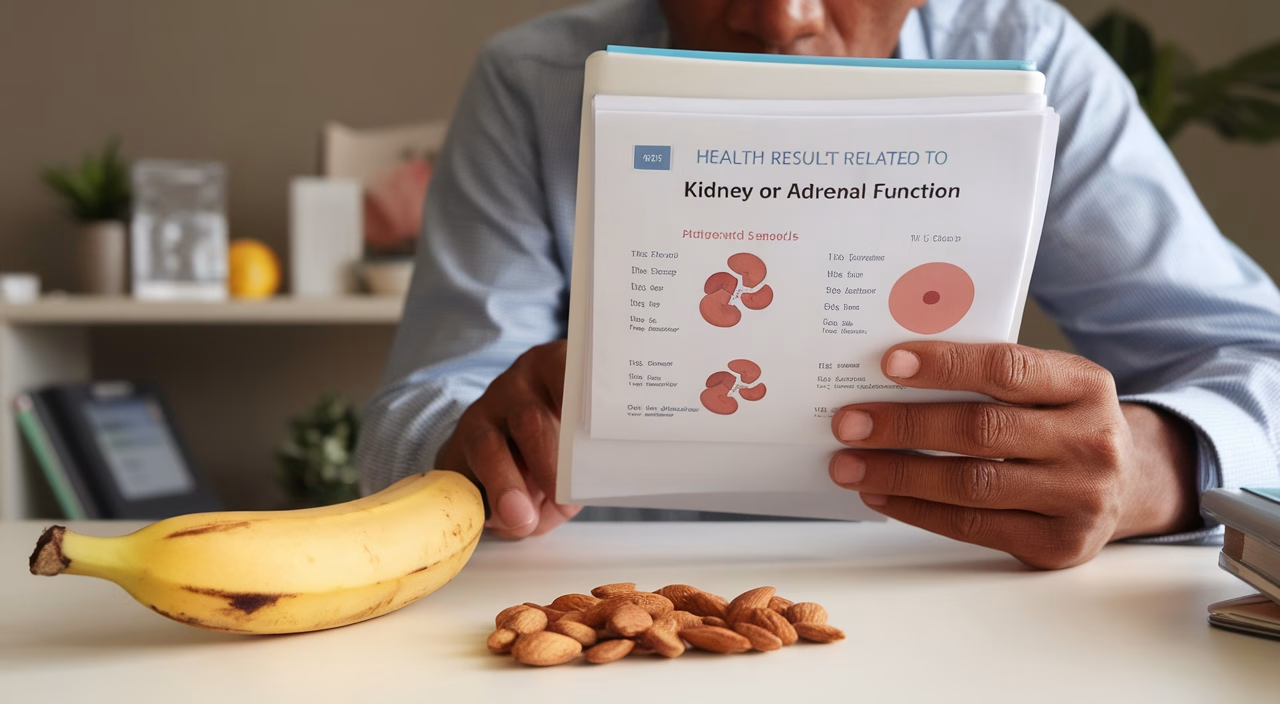
If your salt cravings are intense, persistent, or causing you to eat well beyond normal hunger cues, they may signal underlying issues such as adrenal insufficiency, anemia, or even depression. While not every craving indicates danger, consistent patterns of extreme sodium cravings warrant professional medical guidance.
Stay curious about your salt cravings rather than alarmed. Listen to your body’s signals and regularly ask: “What do I really need today?” With mindful attention and gradual shifts in your eating patterns, most people discover it’s entirely possible to retrain their taste buds while significantly improving their overall health and well-being.
Frequently Asked Questions
- What are the most common reasons for salt cravings?
- Dehydration, adrenal fatigue, nutrient deficiencies, and high-stress levels are key drivers of salt cravings.
- Can salt cravings indicate a health condition?
- Yes. Persistent salt cravings can be linked to conditions like Addison’s disease, hormonal imbalance, or chronic dehydration. Always consult a practitioner if cravings are strong and ongoing.
- How can I stop craving salt naturally?
- Hydrate consistently, balance your electrolytes through food, and add herbs or acids like lemon to meals for flavor without sodium. Managing stress is also crucial.
- Is craving salty food a sign of dehydration?
- Often, yes. Your body may prompt you to reach for salt to help retain fluids when it’s dehydrated.
- What are healthy alternatives to salty snacks?
- Try unsalted nuts with herbs, roasted chickpeas, kale chips with seasoning, or sliced veggies with hummus.
- Why do I crave salt during my period?
- Hormonal shifts, especially interactions between estrogen and aldosterone, can affect sodium regulation, contributing to cravings.
- Does cutting salt suddenly affect the body?
- For most people, gradually reducing salt gives taste buds time to adjust. Immediate elimination can feel bland and lead to rebound cravings.