How Do Salty Foods Affect Hunger and Weight Loss?
If you’ve ever wondered why salty foods affect hunger and weight loss efforts, you’re not alone. Salty foods don’t just satisfy a savory craving—they can actually alter your appetite, energy regulation, and ultimately your ability to lose weight. High sodium intake may trick your body into feeling hungrier, influence how much water you retain, and even derail long-term weight management goals. Let’s explore how salt impacts your eating habits and how you can regain control.
TL;DR: Quick Summary on Salt and Weight Management
- Salt can stimulate appetite: High-sodium foods enhance taste, making you eat more before feeling full.
- Salt may increase cravings: Consuming salty snacks can lead to greater desire for calorie-dense foods.
- Sodium messes with hormones: It influences ghrelin and leptin—two key hunger hormones.
- Water retention gives artificial weight gain: Sodium pulls water into your cells, increasing bloating.
- Long-term intake impairs hunger cues: Salt-rich diets may shift your body’s satiety and fullness mechanisms.
- Low-sodium diets help curb cravings: Controlling salt can reduce overeating and support weight loss.
The Science Behind Salty Foods and Appetite
Understanding How Sodium Intake and Hunger Are Connected
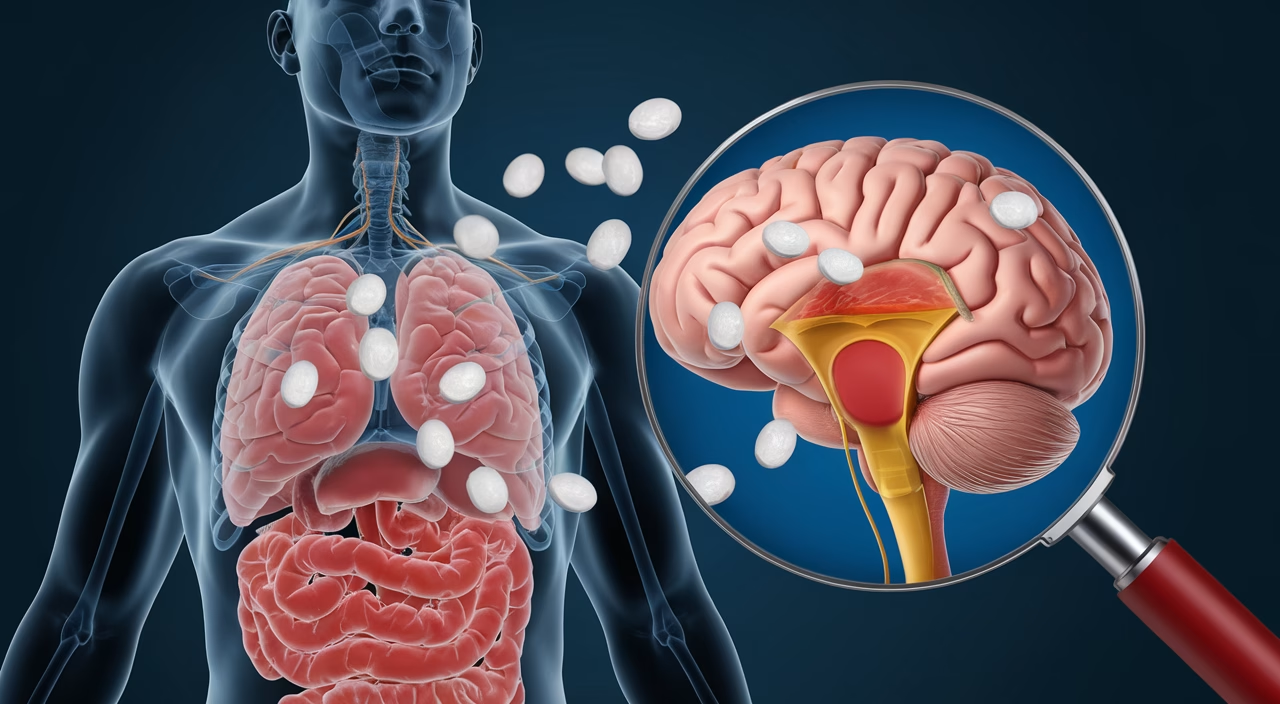
Sodium is an essential mineral that helps regulate fluid balance, nerve function, and muscle contractions. But when we consume salty foods in excess, they do more than just flavor enhancement—they cause real physiological shifts in our hunger and hormone responses.
Here’s where it gets interesting: ghrelin, your “hunger hormone,” signals when it’s time to eat. Leptin, its counterpart, tells your brain when you’re full. Several studies indicate that high sodium intake and hunger are directly connected—salt can increase ghrelin levels and interfere with leptin sensitivity. This means you feel hungrier and less satisfied even after a meal.
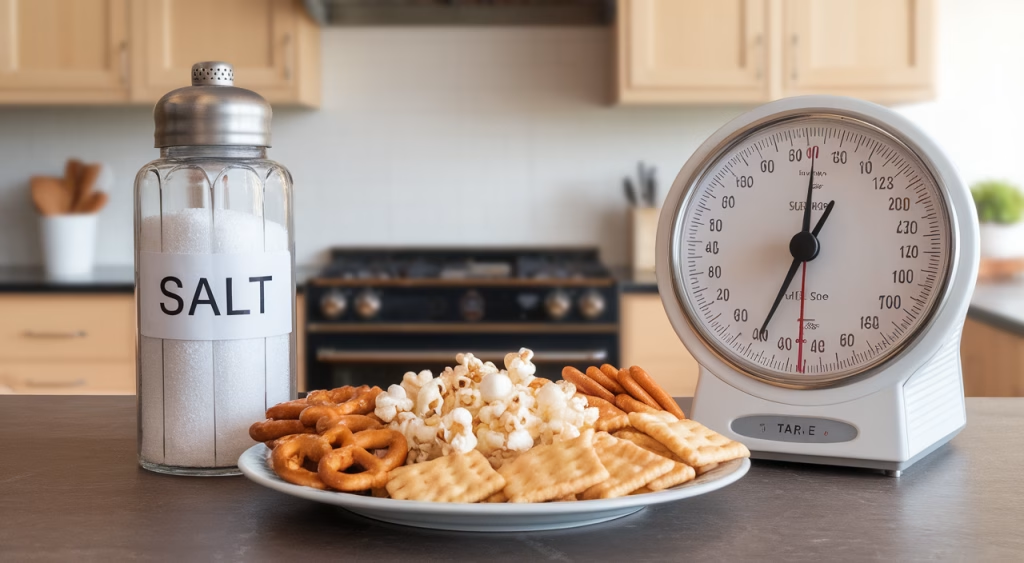
Ever notice how after a salty snack, like chips or pretzels, you’re not just thirsty—you’re reaching for more bites? That’s not a lack of willpower. It’s biology. Salt spikes dopamine (your brain’s pleasure chemical) when combined with fat and carbs, reinforcing cravings much like a rewarding drug.
The Impact of Sodium on Weight Management
Weight loss is, at its simplest, about energy balance: calories in versus calories out. But understanding how salt influences weight loss reveals several mechanisms that can steer you away from your goals.
- Increased Caloric Intake: Salty foods often go hand-in-hand with high fat and carbs—think fries, pizza, popcorn—leading to higher overall intake.
- Delayed Satiety: Salt can blunt fullness cues, making you eat more before realizing you’re full.
- Water Weight: Sodium attracts water, leading to bloating and scale fluctuations that mask fat loss progress.
- Insulin Sensitivity: Some evidence suggests high salt diets may indirectly affect insulin sensitivity, making weight regulation harder.
| Effect of Salt | Impact on Weight or Hunger |
|---|---|
| Increased Ghrelin | Elevates hunger levels |
| Enhanced Food Palatability | Promotes overeating |
| Salt + Fat Combination | Highly addictive taste & cravings |
| Water Retention | Temporary scale gain, bloating |
| Weakened Leptin Sensitivity | Delayed satiety, increased appetite |
Strategies for Managing Salt Intake to Control Hunger
Good news: You don’t have to eliminate salt to see benefits. The key is understanding and managing your intake smartly to reduce salt cravings for weight loss. Here are trusted strategies we often recommend:
- Read Labels Religiously: Even “healthy” items can hide staggering sodium; aim for items under 140mg per serving for low-sodium options.
- Cook at Home: Restaurant meals can pack more than 2,000mg of sodium in one dish. Home cooking gives you full control.
- Use Flavors Wisely: Choose herbs, citrus, garlic, and spices to make meals taste great without a salt-shaker.
- Balance Potassium-Rich Foods: Foods high in potassium (like sweet potatoes and bananas) help offset sodium’s effects on the body.
Cost Guide: Low-Sodium Eating on a Budget
| Category | Examples | Price Range |
|---|---|---|
| Low-Sodium Snacks | Unsalted nuts, air-popped popcorn | $5–$8 per week |
| Fresh Produce | Carrots, cucumbers, apples | $10–$15 per week |
| Herb & Spice Packets | Garlic powder, cumin, dill | $2–$5 per item |
| Home-Cooked Meals | Soups, stews, stir-fries | $20–$30 per week |
Practical Tips for Reducing Salt Cravings and Enhancing Weight Loss
How Salt and Appetite Control Work Together
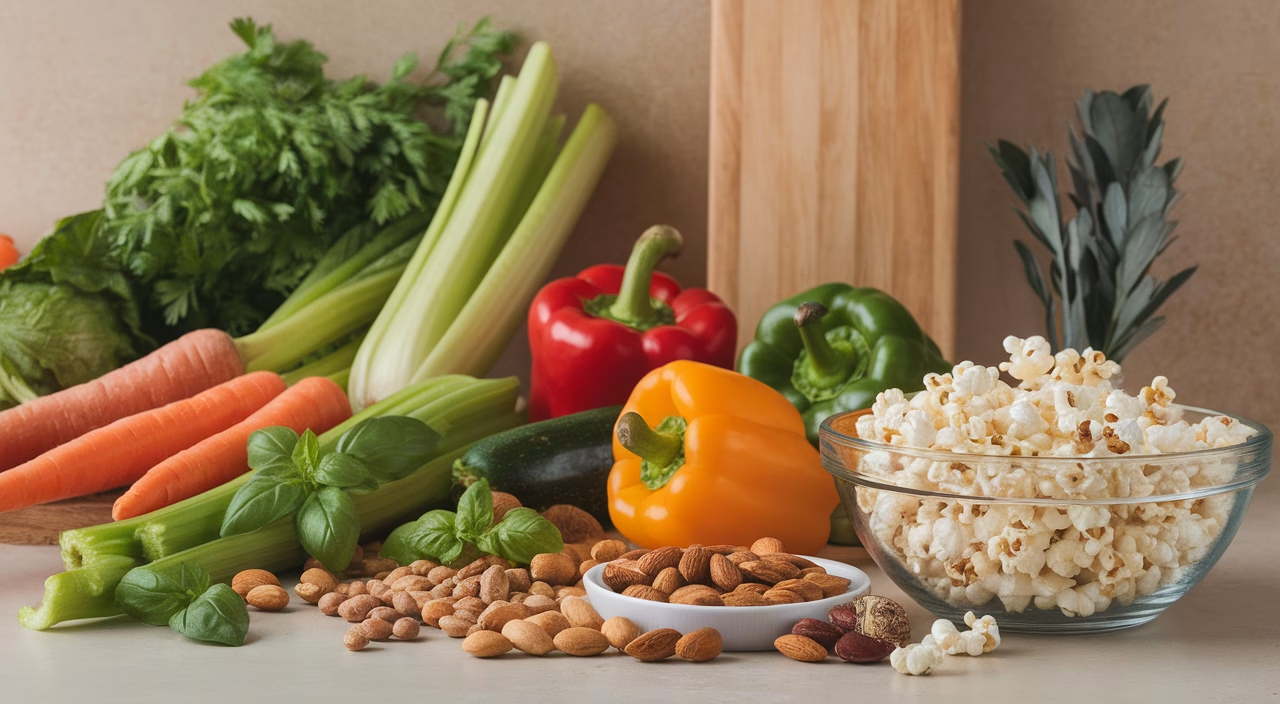
Reducing cravings doesn’t happen overnight—but you can rewire your preferences. Understanding the connection between salt and appetite is the first step. Here’s how to shift the salt habit:
- Transition Gradually: Cut back over time. Sudden salt removal can increase cravings. Ease your taste buds off the habit.
- Identify Triggers: Do you reach for salty foods and appetite spikes when stressed? Bored? Build awareness and choose alternative coping mechanisms.
- Hydrate Generously: Dehydration can mimic cravings. Drink water before reaching for a salty snack.
- Swap, Don’t Stop: Have roasted chickpeas, edamame, or veggie sticks with hummus instead of chips.
- Go Umami, Not Sodium: Use fermented and umami-rich foods like mushrooms or miso in moderation—they satisfy without overwhelming salt.
Final Thoughts: Understanding How Salt Affects Your Appetite and Weight Goals
Salt isn’t your enemy—but unmonitored sodium intake can be a sneaky saboteur of your weight goals. From increasing hunger hormones to triggering cravings and bloating, understanding how salty foods affect hunger and weight loss is crucial for success. The good news? Armed with awareness and simple strategies, you can take control.
Start by reading labels, cooking more at home, and retraining your palate with seasoning alternatives. Your hunger cues and waistline will thank you. After all, weight loss is not only about calories—but also about mastering the subtle biological nudges that influence how, when, and why we eat.
Frequently Asked Questions
- Does salty food make you more hungry?
Yes. Salty food can increase ghrelin (a hunger hormone) and enhance the palatability of food, making it easier to overeat. - Can reducing sodium help with weight loss?
Indirectly, yes. Cutting back on sodium can reduce cravings, decrease water retention, and promote mindful eating. - How does salt affect appetite hormones?
Salt can raise ghrelin and reduce leptin sensitivity—the two hormones that control hunger and fullness. - What’s the best way to cut back on salty foods?
Start slow, use herbs and spices, cook at home, and read food labels to track sodium. - Do low-sodium diets help control emotional eating?
Yes. Lower-sodium diets may help stabilize energy and reduce addictive food cravings tied to stress eating. - Why do salty foods make me thirsty and hungry?
Sodium pulls water into cells, causing dehydration signals—and the flavor enhancement can trick your brain into eating more. - Can salt cravings signal a deficiency?
Occasionally, intense salt cravings may indicate adrenal or hydration imbalance, but often it’s habit-based or tied to processed food intake.