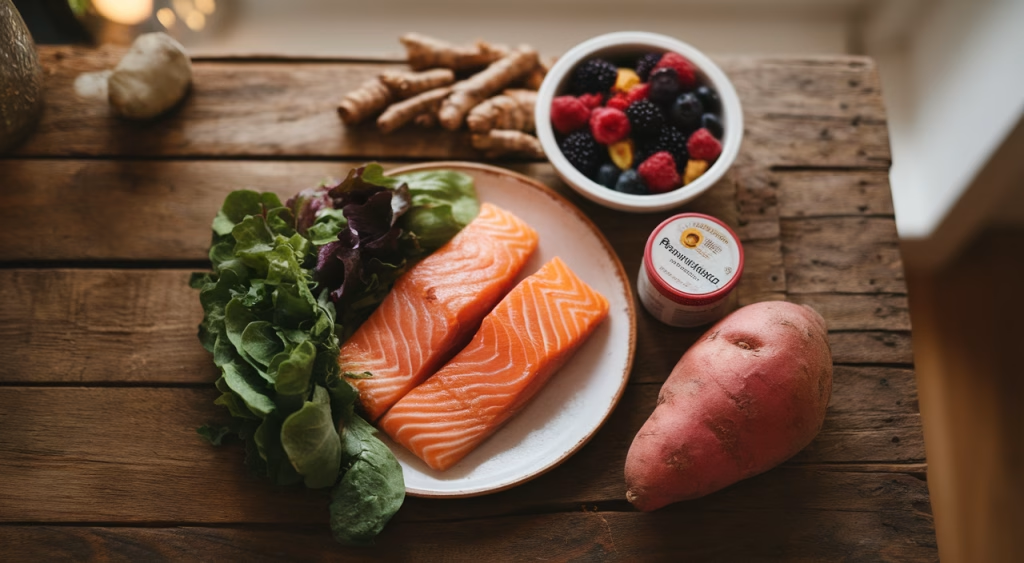
Can What You Eat Really Help Improve Eczema?
Yes—what’s on your plate can play a surprisingly powerful role in reducing eczema symptoms. Changing your diet may not completely eliminate eczema, but incorporating certain anti-inflammatory foods has been shown to strengthen your skin barrier, reduce flare-ups, and give your immune system the support it needs to function properly.
- Omega-3s and probiotics help reduce systemic inflammation at the root of eczema.
- Vitamin A–rich foods support skin cell repair and turnover.
- Fermented foods and leafy greens enhance gut health, which is directly connected to clearer skin.
- Anti-inflammatory spices like turmeric may assist in calming skin irritation naturally.
- Small changes like adding one or two healing foods each week can lead to long-term improvement.
This is your practical guide to 10 healing foods that not only fuel your day—but can also help soothe eczema’s stubborn symptoms through healthy eating habits.
Motion Sickness Relief: 7 Proven Remedies That Actually Work (Plus Prevention Tips)
1. Fatty Fish: The Omega-3 Powerhouse Your Skin Craves
Salmon, sardines, tuna, mackerel—these cold-water fish are nutritional superheroes for anyone dealing with eczema. They’re rich in omega-3 fatty acids, which are some of the body’s most powerful natural anti-inflammatories. Think of omega-3s as tiny firefighters in your bloodstream, dousing inflammatory hotspots before they flare up your skin.
When you incorporate these nutrient-dense foods into your balanced diet, even just two servings a week can make a visible difference in skin texture, hydration, and the frequency of flare-ups.
| Fish Type | Omega-3 Content (per 3 oz) | Best Cooking Method |
|---|---|---|
| Salmon | ~1,800 mg | Bake or grill with olive oil |
| Sardines | ~2,200 mg | Enjoy canned with salads or crackers |
| Mackerel | ~2,000 mg | Pan-sear with lemon & herbs |
2. Probiotic-Rich Foods for Gut Health (and Glowing Skin)
Your gut and your skin are best friends—even if they don’t talk much. When your gut microbiome is thriving through healthy eating habits, your immune system becomes less reactive, which means fewer eczema triggers. That’s where probiotic-rich foods come in: they help fortify your gut flora.
- Yogurt with live cultures (opt for plain, unsweetened)
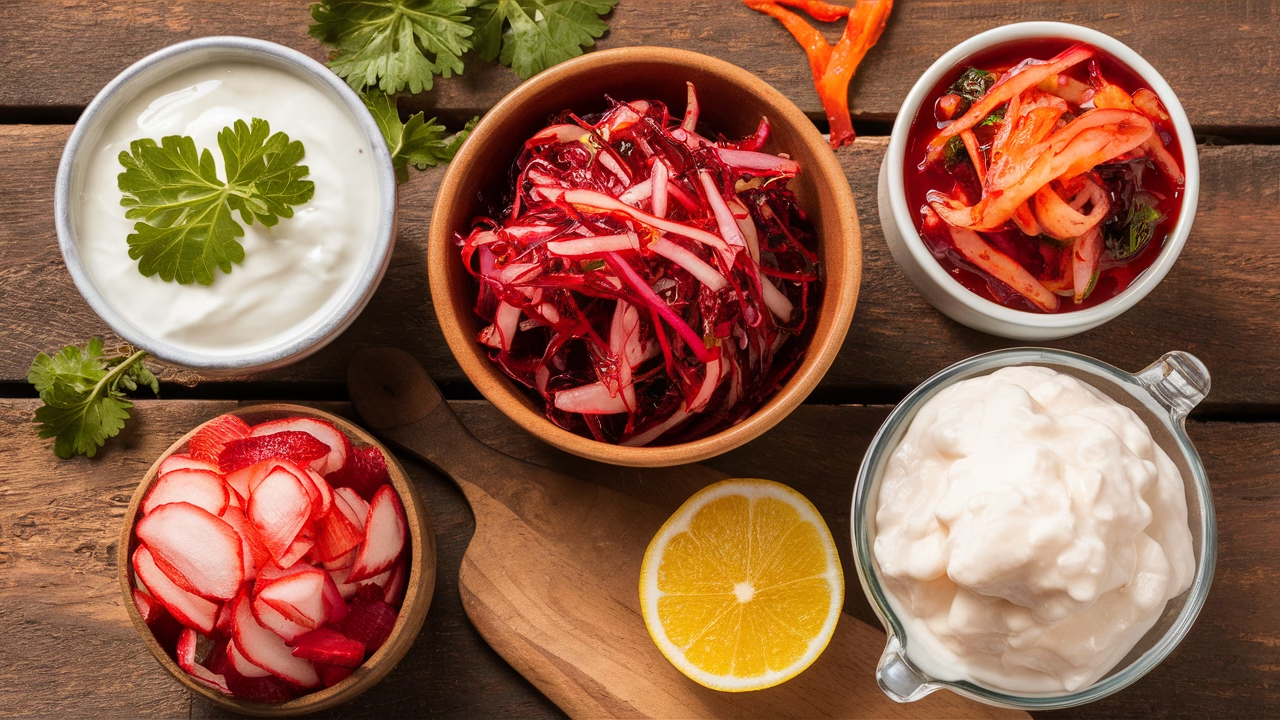
- Fermented vegetables like sauerkraut, kimchi, or pickled beets
- Drinks like kefir and miso soup, especially when unpasteurized
Integrating probiotic foods into your daily meal planning is a delicious way to protect your skin from the inside out. Try adding kimchi to a power bowl or blending kefir into your smoothies for an easy nutrition boost.
3. Turmeric: The Golden Anti-Inflammatory Ally
Turmeric gets its healing glow from a compound called curcumin, famed for both antioxidant and anti-inflammatory properties. This powerful spice doesn’t just calm inflammation in joints and muscles—it can also help reduce skin irritation and support more even healing of eczema-affected areas.
For maximum absorption, combine turmeric with black pepper to boost its effects by up to 2,000%. You can stir it into curries, lattes, or soups as part of your balanced diet approach.
4. Leafy Greens: Nutrient-Dense Skin Supporters
If there’s one group of foods you should add generously to your plate—it’s greens. These nutrient-dense foods like spinach, kale, Swiss chard, and arugula pack a punch of skin-boosting nutrients like:
- Vitamin A: supports cell turnover and skin regeneration
- Vitamin C: helps your skin produce collagen
- Vitamin K: supports healing and reduces redness
Bonus? Greens also contain chlorophyll, which naturally detoxifies your body. Try blending greens into your morning smoothies or tossing them into stir-fries and soups for easy meal planning.
5. Apples, Berries & Quercetin: Nature’s Histamine Blockers
Quercetin is a plant antioxidant that acts like a natural antihistamine—perfect for calming allergic eczema reactions. Foods high in quercetin can temper your body’s histamine response and guard against inflammation:
- Apples (especially the peels)
- Red onions and broccoli
- Blueberries, blackberries, and cranberries
- Green and black tea
Snack on fresh berries or slice apples over oatmeal for an easy skin-boosting start to the day. These nutrition tips are simple yet effective for supporting your skin health.
6. Sweet Potatoes and Carrots: Beta-Carotene for Skin Renewal

Vitamin A–rich foods like sweet potatoes help repair and renew the skin
Sweet potatoes, carrots, and squash aren’t just cozy and comforting—they’re packed with beta-carotene, which your body converts into vitamin A. And vitamin A is crucial for maintaining your skin’s integrity, hydration, and ability to recover from flare-ups.
Roast a batch of sweet potatoes and carrots with olive oil and thyme for a warming, healing dinner side that even kids will love. This simple meal planning strategy makes these nutrient-dense foods deliciously accessible.
7. Beets: Detox and Collagen Support in One
Beets are one of the most underrated vegetables for skin healing. Rich in nitrates and betaine, they help boost blood flow and support your liver’s detoxification work, which can ease systemic inflammation and promote healthy skin regeneration.
Try shredded raw beets in salads, add roasted slices to grain bowls, or blend them into fruity smoothies for a sweet, earthy treat. These healthy eating habits can transform your skin health over time.
8. Nuts & Seeds: Micronutrient Powerhouses
Nuts and seeds like flaxseed, chia, walnuts, and pumpkin seeds deliver a combo of vitamin E, healthy fats, zinc, and selenium. These nutrient-dense foods support skin immunity and repair by shielding skin cells from oxidative stress and damage.
Sprinkle seeds into yogurt, bake them into energy bars, or stir them into nut butters for an easy, anti-inflammatory addition to your balanced diet.
9. Green Tea: Sip on Skin Serenity
Instead of reaching for another latte, try sipping green tea. Packed with polyphenols and EGCG, green tea helps modulate immune response and curb inflammation gently. It’s a calming ritual that also delivers proven skin-improving benefits as part of your healthy eating habits.
10. Coconut Oil (In Moderation)
In food form, coconut oil offers medium-chain triglycerides (MCTs) that support energy and calm inflammatory responses. While some eczema sufferers also benefit from its topical use, consuming this oil in small amounts may help skin retain moisture and smoothness from within when incorporated into your balanced diet.
Cost Guide: Budget-Friendly Ways to Add Healing Foods
| Food Category | Low-Cost Option | Tip |
|---|---|---|
| Fatty Fish | Canned sardines or mackerel | Pair with crackers or rice cakes |
| Probiotics | Plain yogurt | Buy in bulk family-size tubs |
| Leafy Greens | Frozen spinach/kale | Add to soups, omelets, or smoothies |
| Quercetin-rich | Apples and onions | Buy seasonal or in bulk bags |
| Nuts & Seeds | Generic bulk chia/flax | Grind and store in fridge for freshness |
Frequently Asked Questions
What foods commonly trigger eczema?
Common triggers include cow’s milk, eggs, soy, gluten, and processed foods high in sugar or additives. Everyone’s body reacts differently—keep a food diary to identify your personal triggers and develop healthier eating habits.
How long does it take to see results from dietary changes?
Most people notice improvements in 4 to 6 weeks with consistent healthy eating habits, but consistency is key. It’s not an overnight fix—think of it as nourishment that builds up skin resilience over time.
Can supplements replace these foods?
While fish oil or probiotics can help fill gaps, real nutrient-dense foods offer fuller nutritional profiles and better absorption rates. Use supplements only when whole food access is limited in your balanced diet.
Is there a specific diet for eczema?
There’s no one-size-fits-all eczema diet. However, many find success with an anti-inflammatory approach: whole foods, low sugar, reduced allergens, and increased essential fatty acids through strategic meal planning.
Can children with eczema eat these foods?
Absolutely—but always consult a pediatrician, especially if allergies are suspected. Most of these nutrient-dense foods are nutritious and safe for growing bodies as part of healthy eating habits.
Should I avoid spicy foods if I have eczema?
Some individuals find spicy foods trigger flare-ups due to histamine release. Track your reactions and adjust your balanced diet based on personal tolerances.
Can hydration affect eczema?
Definitely. Staying hydrated helps maintain your skin barrier, reduces dryness, and supports detox. Pair water intake with water-rich foods like cucumbers and leafy greens for even better results in your nutrition routine.