Can Food Really Help Ease Menopause Symptoms?
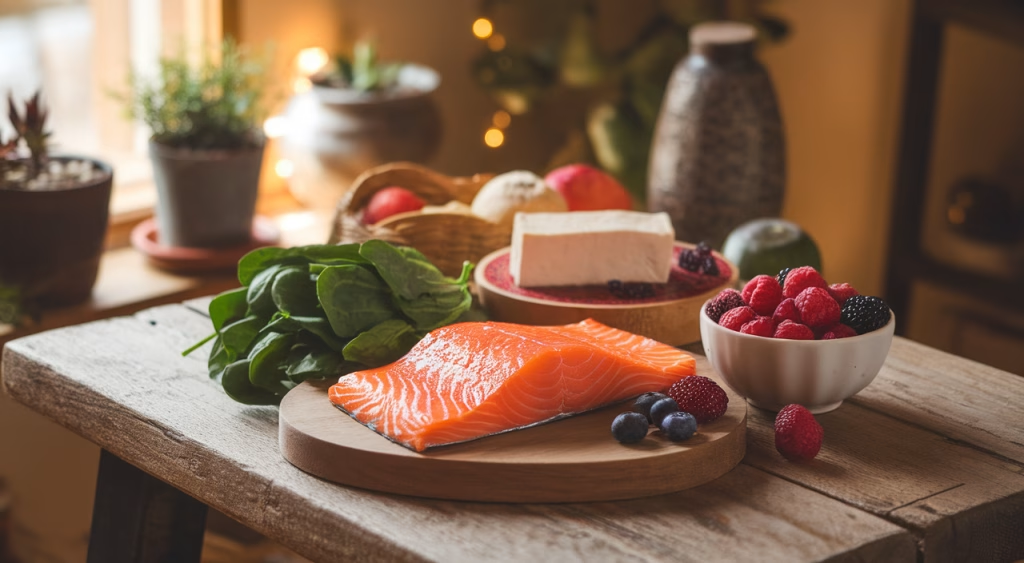
Absolutely — the foods you choose can significantly impact how your body handles menopause symptoms. Research shows that certain nutrients help ease hot flashes, support mood balance, and improve sleep quality — all by working naturally with your changing hormones.
- TL;DR:
- Flax seeds contain natural phytoestrogens that reduce hot flashes and support bone health during menopause.
- Soy-based foods help stabilize hormones and reduce night sweats with powerful isoflavones for menopause relief.
- Fatty fish like salmon and sardines reduce inflammation while supporting brain and heart health during hormonal changes.
- Leafy greens provide essential calcium and magnesium — crucial for bone strength and better sleep quality.
- Whole grains and fiber help balance blood sugar, reduce mood swings, and improve digestive health.
- Fermented foods enhance gut health, improving hormone metabolism and boosting immunity naturally.
- Berries and sweet potatoes fight oxidative stress while supporting mental clarity and emotional balance.
How Your Diet Impacts Hormones During Menopause
Feeling Off Balance? You’re Not Imagining It
Your body’s hormonal balance undergoes dramatic changes during menopause. As estrogen declines and progesterone fluctuates, you may experience intense hot flashes, mood swings, restless nights, weight gain, and brain fog. What many women don’t realize is how significantly food choices can influence these menopause symptoms — often providing more relief than expected.
Think of your menopause diet as the foundation of symptom management: it works behind the scenes to support hormonal balance. By choosing the right foods for menopause relief, you’re giving your body the tools it needs to navigate this transition with greater ease and comfort.
Natural Hormonal Helpers: The Top 10 Foods for Menopause Relief
Let’s explore the 10 best foods for menopause that don’t just nourish your body — they actively support hormone balance and symptom relief during this important transition.
1. Flax Seeds: Nature’s Estrogen Mimics for Hot Flash Relief
Flax seeds are among the best foods for menopause relief. They’re packed with lignans, plant compounds that act as natural phytoestrogens — gentle substances that mimic estrogen in the body. Research suggests they can significantly reduce hot flash frequency and support bone health during menopause.
| Benefit | How It Helps | Best Usage |
|---|---|---|
| Hot Flash Relief | Natural phytoestrogen activity | Add ground flax to smoothies daily |
| Bone Health | Contains lignans and omega-3s | Use 1-2 tablespoons ground flax daily |
2. Soy Foods: Proven Hormone Balance for Menopause Relief
Tofu, tempeh, and edamame rank among the top foods for menopause symptoms due to their rich isoflavone content. These compounds provide gentle estrogen-like effects that can reduce hot flashes and night sweats. Studies show women consuming soy foods regularly often experience fewer severe menopause symptoms.
Easy ways to add soy foods for menopause relief:
- Replace dairy milk with unsweetened soy milk
- Try tempeh in stir-fries for protein and hormone support
- Snack on steamed edamame for natural isoflavones
3. Fatty Fish: Omega-3 Powerhouses for Menopause Wellness
Salmon, sardines, and mackerel are essential foods for menopause relief, providing omega-3 fatty acids that reduce inflammation and support mood stability. These healthy fats help combat menopause-related depression, anxiety, and cognitive changes while protecting heart health during hormonal transitions.
Pro tip: If you don’t eat fish, get plant-based omega-3s from chia seeds, walnuts, or algae supplements for similar menopause benefits.
4. Leafy Greens: Mineral-Rich Foods for Bone and Sleep Support
Spinach, kale, and Swiss chard are nutrient-dense foods for menopause that provide calcium, magnesium, and folate — essential minerals for bone strength and nervous system health. These greens help combat the bone loss and sleep disturbances common during menopause.
Simple ways to boost your intake:
- Blend spinach into morning smoothies for hidden nutrition
- Create large salads with mixed greens as meal foundations
5. Whole Grains: Complex Carbs for Mood and Energy Balance
Quinoa, oats, and brown rice are stabilizing foods for menopause that provide B vitamins and complex carbohydrates. These nutrients help regulate blood sugar levels, reduce mood swings, and support serotonin production. The fiber in whole grains also feeds beneficial gut bacteria that help metabolize hormones efficiently.
The Gut-Hormone Connection: Why Fermentation Matters More Than Ever
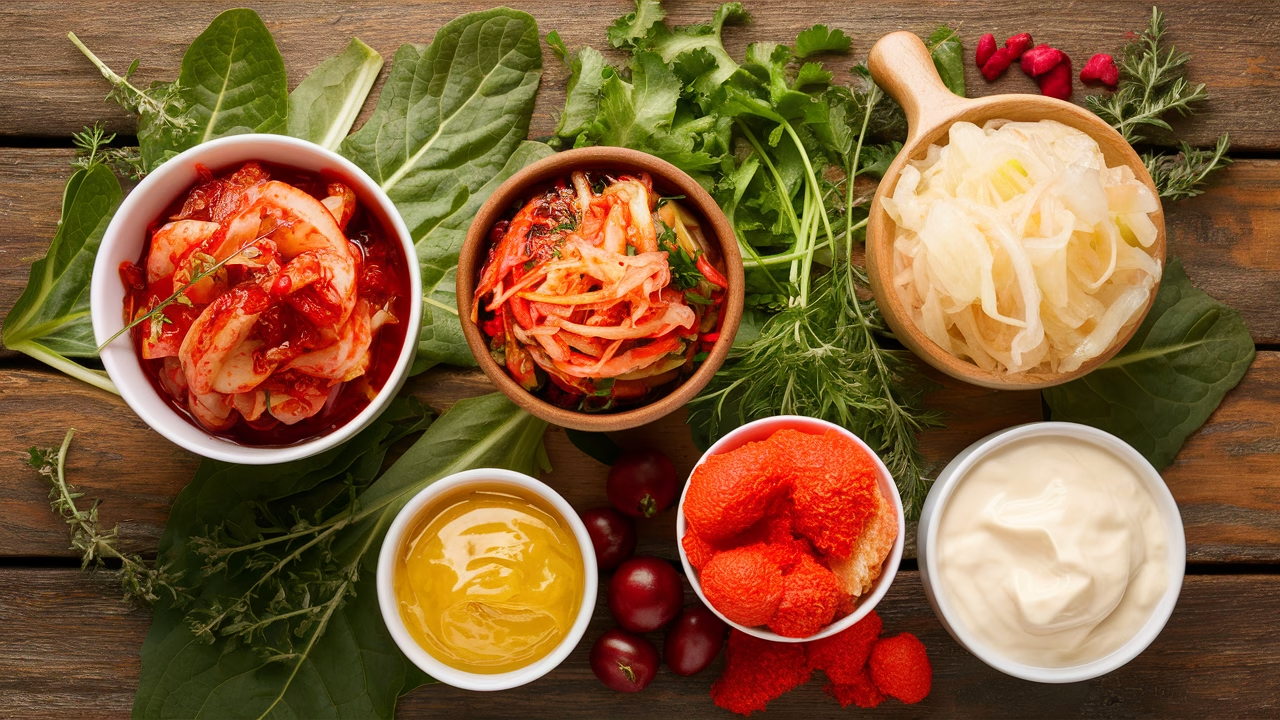
6. Fermented Foods: Optimize Your Gut for Better Hormone Balance
Probiotic-rich foods like yogurt, kefir, sauerkraut, and kimchi are crucial for menopause wellness. These fermented foods support digestive health, boost immune function, and optimize your body’s ability to process and eliminate hormones effectively — a key factor in managing menopause symptoms.
Choose plain, unsweetened varieties and add natural sweeteners like berries or honey to keep your menopause diet balanced and blood sugar stable.
7. Berries: Antioxidant Protection for Cognitive Health
Blueberries, strawberries, and blackberries are brain-supporting foods for menopause, loaded with antioxidants that combat oxidative stress and inflammation. These colorful fruits may help improve memory, reduce brain fog, and support mental clarity during hormonal changes.
8. Avocados: Healthy Fats for Hormone Production
Monounsaturated fats in avocados support hormone synthesis and help absorb fat-soluble vitamins crucial for menopause health. Rich in potassium and fiber, avocados also help reduce bloating and support cardiovascular health during this transition.
9. Sweet Potatoes: Complex Carbs for Mood and Sleep
With their natural sweetness and nutrient density, sweet potatoes are comforting foods for menopause that promote serotonin production. This helps stabilize mood and improve sleep quality — two areas commonly affected during menopause.
10. Nuts and Seeds: Portable Hormone-Supporting Snacks
Almonds, pumpkin seeds, and walnuts provide magnesium, zinc, healthy fats, and protein that directly support hormone production. These nutrient-dense foods for menopause help maintain stable energy levels and provide sustained nutrition between meals.
Prepare portion-controlled snack bags with mixed nuts and seeds for convenient, hormone-supporting nutrition throughout your day.
What to Avoid: Foods that Can Worsen Menopause Symptoms
Some foods can intensify menopause symptoms by disrupting hormone balance or triggering inflammatory responses. Be mindful of:
- Refined sugars — increase inflammation and cause energy crashes that worsen mood swings
- Excessive caffeine — can trigger hot flashes and disrupt sleep patterns
- Alcohol — often triggers night sweats and interferes with restorative sleep
- Processed foods — contain additives and trans fats that may disrupt hormone function
Meal Planning Tips to Incorporate Menopause-Friendly Foods
Creating a menopause-supportive diet doesn’t require complete overhaul. Focus on adding beneficial foods gradually:
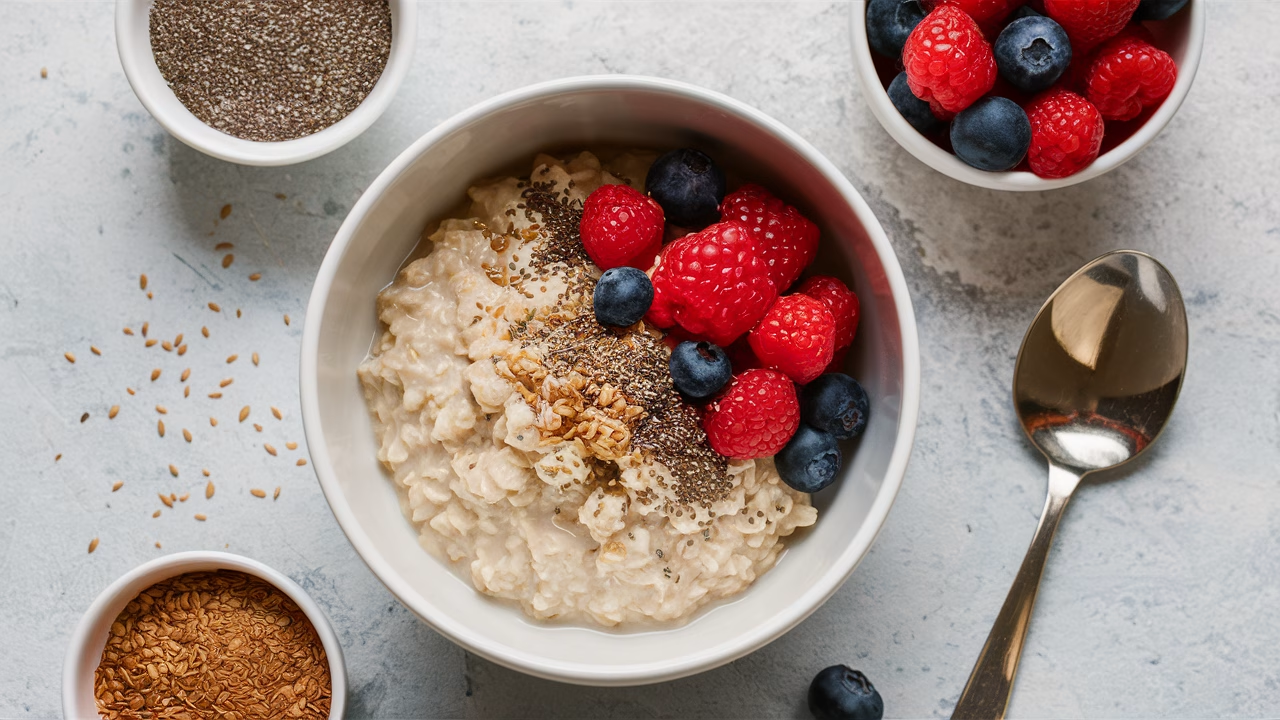
- Breakfast: Steel-cut oats topped with ground flaxseed, berries, and chopped walnuts
- Lunch: Tofu and kale salad with quinoa, avocado, and tahini dressing
- Dinner: Baked salmon with roasted sweet potatoes and steamed spinach
- Snacks: Plain Greek yogurt with berries, mixed nuts, or edamame pods
Summary Comparison Chart
| Food | Primary Menopause Benefit | Key Compounds | Recommended Frequency |
|---|---|---|---|
| Flax Seeds | Reduce hot flashes naturally | Lignans, omega-3s | Daily (1-2 tbsp) |
| Soy Products | Hormone balance support | Isoflavones | 3–4 servings weekly |
| Fatty Fish | Mood and cognitive support | Omega-3 fatty acids | 2-3 servings weekly |
| Leafy Greens | Bone health and sleep quality | Calcium, magnesium | Daily servings |
| Fermented Foods | Gut and hormone health | Probiotics | Daily portions |
Frequently Asked Questions
- Can the right foods completely eliminate menopause symptoms?
While foods for menopause relief can significantly reduce symptoms, they work best as part of a comprehensive approach including adequate sleep, regular exercise, and stress management techniques. - How quickly do menopause-supporting foods show results?
Most women notice improvements in energy levels, mood, and digestive comfort within 2–4 weeks of consistently eating hormone-supporting foods. - Should I avoid soy foods if I have hormone-sensitive health concerns?
Always consult your healthcare provider about soy consumption. Research suggests whole soy foods are generally safe, but individual medical histories vary. - Are supplements better than whole foods for menopause relief?
Whole foods for menopause provide synergistic nutrients that work together more effectively than isolated supplements. Food-first approaches are typically recommended. - How much flax seed is safe to consume daily for menopause benefits?
Most nutrition experts recommend 1–2 tablespoons of ground flaxseed daily as safe and beneficial for menopausal women.
https://nutritiousmonster.com/how-weather-affects-mental-health-7-science-backed-strategies-to-improve-your-mood-in-any-weather/