What Is Belly Button Health and Why Should You Care?
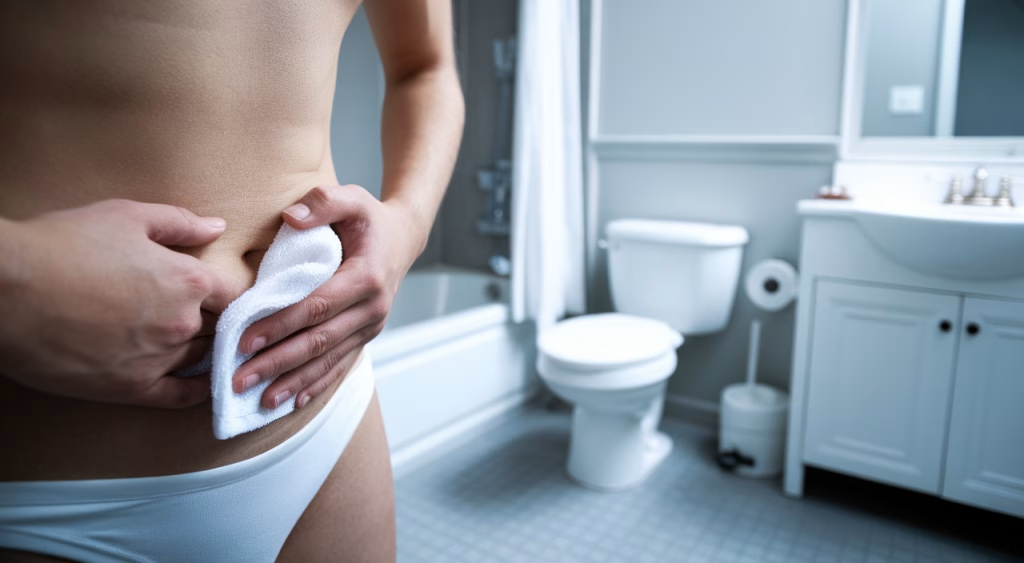
Your belly button, or umbilicus, might seem like a forgotten relic from your earliest days, but it’s more important to your overall health than most people realize. Proper belly button health involves maintaining good navel hygiene to prevent infection, irritation, and other belly button skin conditions. If you’ve ever dealt with strange odors, discomfort, or unexplained belly button pain, you’re not alone. Your umbilicus health deserves attention—and some thoughtful belly button care.
TL;DR — Quick Highlights for Your Belly Button Health
- Healthy belly button care supports skin hygiene and helps identify early signs of infection or issues.
- Daily navel hygiene with warm water and mild soap is usually enough—but don’t overdo it.
- Strange smells or discharge may signal infection or trapped bacteria—see a healthcare provider if it persists.
- Belly button pain causes range from hernias to cysts or infections—don’t ignore lingering discomfort.
- Different looks are normal, but sudden changes in belly button appearance could signal belly button abnormalities.
Understanding Your Belly Button
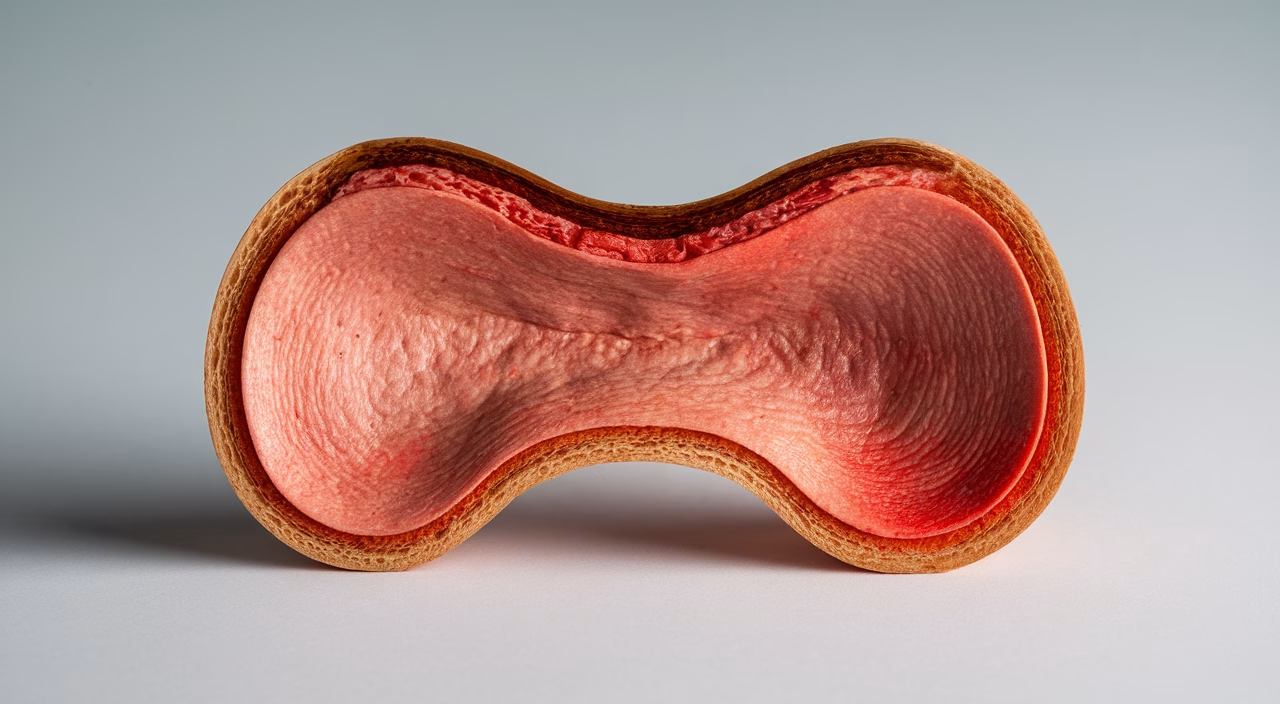
We all have belly buttons—but few understand their medical relevance for belly button health. The belly button is the scar that remains after the umbilical cord, your lifeline in the womb, is cut. It’s more than just a body quirk—it’s a potential window into your immune system, skin health, and overall wellness.
The Basics of Umbilicus Health
There are two common types of navels—”innie” and “outie.” While appearance varies hugely from person to person, both can develop belly button skin conditions if you neglect proper navel hygiene. The belly button collects sweat, soap, lint, dead skin, and oils rapidly. Combined with its folded or indented shape, it forms a perfect breeding ground for bacteria or fungi without regular belly button care.
Appearance and Texture: What’s Normal?
Skin color variations, surrounding dryness, or minor asymmetries are usually harmless. But you should watch for sudden swelling, skin crusting, bleeding, or discolored discharge. These might suggest underlying belly button abnormalities such as infections, cysts, or even internal hernias that affect your umbilicus health.
Common Belly Button Issues and Solutions
Many people don’t connect minor belly button changes with broader health implications. Let’s break down some typical belly button skin conditions and their solutions:
| Issue | Cause | Suggested Remedy |
|---|---|---|
| Foul Odor | Bacterial buildup, trapped sweat | Daily cleaning, gentle drying |
| Redness & Pain | Infection, cyst, friction | Antiseptic cream or medical evaluation |
| Discharge | Yeast, sebaceous cysts | Warm compress, sometimes requires lancing |
| Itchy Skin | Fungal infection, eczema | Antifungal cream, avoid moisture build-up |
Belly Button Pain Causes
Some of the more concerning belly button pain causes that require attention include:
- Umbilical hernia: A bulging intestine that breaks through the abdominal wall.
- Infected sebaceous cysts or abscesses from blocked follicles.
- Post-surgical scar tissue causing internal pull or irritation.
If pain is persistent or worsens with cough or movement, it’s time to reach out to a healthcare provider for proper belly button health assessment.
How to Clean Belly Button: Healthy Habits for Optimal Care
Think of your belly button as you would your ears or beneath your nails—small, easy-to-overlook places that benefit from regular navel hygiene practices.
How to Clean Your Belly Button Properly
Learning how to clean belly button areas doesn’t require anything fancy. Here’s a safe daily routine for optimal belly button health:
- Use a warm washcloth with mild soap (no fragrance or harsh chemicals)
- Gently wipe around and inside if you’re an “innie”
- Thoroughly rinse to remove any soap residue
- Pat dry fully with a clean towel
For deeper navel hygiene (the most neglected form of belly button care), a Q-tip dampened with saline or rubbing alcohol (once weekly) works well. Just don’t dig too deep or use sharp objects that could compromise your umbilicus health.
Belly Button Odor Remedy Solutions
If you’re dealing with persistent odor, these belly button odor remedy approaches can help:
- Apply diluted apple cider vinegar (1:1 with water) for antibacterial benefit
- Use natural antifungal powder if you sweat heavily
- Avoid tight synthetic clothing that traps moisture and affects belly button health
Cost Guide for Belly Button Treatments
| Treatment Type | Low-End | Average | High-End |
|---|---|---|---|
| Over-the-counter creams | $8 | $15 | $30 |
| Consultation with provider | $60 | $100 | $200+ |
| Minor outpatient procedure | $150 | $500 | $1,000+ |

When to Seek Medical Help for Belly Button Health
While most belly button skin conditions stay in the realm of mild inconvenience, there are times when symptoms cross the line. Don’t self-diagnose these belly button abnormalities:
- Severe belly button pain causes accompanied by fever
- Green, white, or bloodstained discharge
- Skin that’s hot to the touch or rapidly swelling
- A firm or growing lump near the umbilicus
In rare cases, abdominal pain around the umbilicus could relate to appendicitis or even gastrointestinal obstructions. When your belly button health is in question, consult a healthcare provider.
Final Thoughts on Belly Button Health
Your belly button might not be the flashiest feature on your body, but it plays an important role in hygiene and health monitoring. Maintaining proper navel hygiene, understanding how to clean belly button areas correctly, and recognizing belly button pain causes goes further than most people realize. Treat your navel with the same care you’d give your face or teeth—it’s an essential part of whole-body wellness and optimal belly button health.
Frequently Asked Questions
This belly button odor remedy question usually stems from bacteria or fungus thriving in moisture and trapped debris. Proper navel hygiene with gentle daily cleaning usually resolves it.
Yes, belly button skin conditions like infections are common, especially with poor navel hygiene or trauma like piercings. Signs include redness, swelling, discharge, or warmth affecting your belly button health.
Learning how to clean belly button areas daily with your shower or bath is ideal for optimal belly button health. A once-weekly deep clean with a Q-tip can help if you suffer from buildup or need a belly button odor remedy.
Understanding belly button pain causes is important—not always serious, but if accompanied by swelling, discharge, or fever, it may need urgent care. It could indicate belly button abnormalities like a hernia or infection.
Yes—perfumed soaps and lotions may cause belly button skin conditions by irritating the sensitive navel area. Stick to unscented, gentle cleansers for optimal belly button health and proper navel hygiene.
Not necessarily, but they’re more exposed to friction and bacteria that can affect belly button health. Consistent navel hygiene and understanding how to clean belly button areas is key regardless of navel type.
No, it’s mostly harmless clothing fibers. But left unchecked, it can harbor bacteria and create belly button skin conditions. Regular navel hygiene prevents problems and maintains good belly button health.