What are the best foods to improve memory naturally?
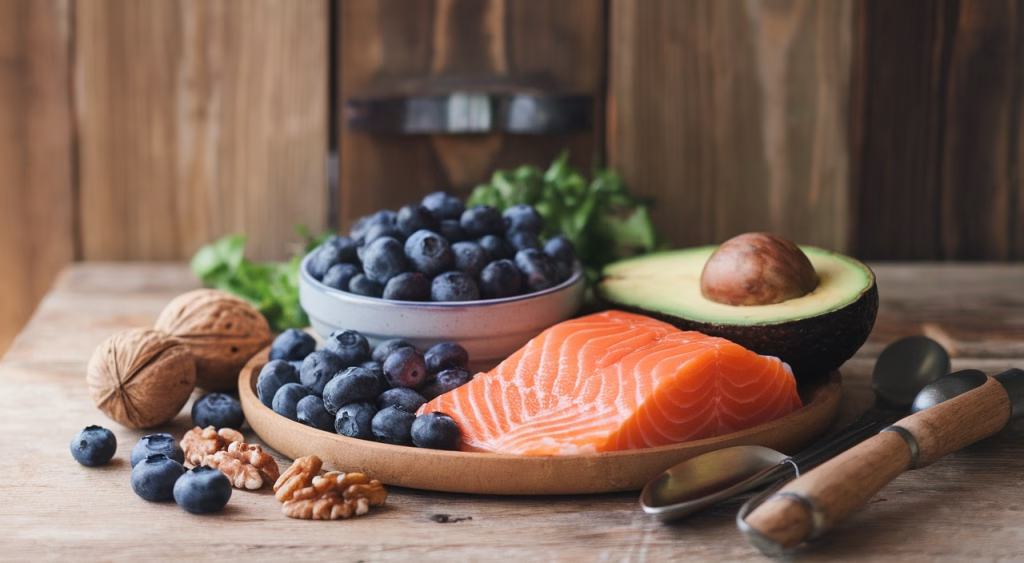
The best foods to improve memory naturally include blueberries, walnuts, avocados, eggs, dark chocolate, broccoli, pumpkin seeds, oranges, green tea, and fatty fish. These brain-boosting foods are rich in antioxidants, essential fats, vitamins, and minerals that support cognitive function and overall brain health.
- Blueberries: Packed with flavonoids that improve communication between neurons and slow age-related memory decline
- Walnuts: Rich in DHA omega-3s, improve cognitive performance and brain longevity
- Avocados: Contain healthy fats for blood flow and oxygenation to the brain
- Eggs: High in choline for neurotransmitter synthesis essential for memory
- Dark Chocolate: Contains flavonoids and caffeine to boost memory and mood
- Broccoli: Rich in vitamin K for better memory and antioxidant protection
- Pumpkin Seeds: Provide magnesium, zinc, and copper to support nerve signaling
- Oranges: High in vitamin C to guard against cognitive decline
- Green Tea: Offers calm alertness through a mix of caffeine and L-theanine
- Fatty Fish: Sources of omega-3s that strengthen brain cell communication and ward off mental decline
Let’s explore these powerhouse memory-boosting foods and learn how they can sharpen your mind naturally.
1. Blueberries: The Memory-Boosting Berries That Fight Cognitive Decline
If fruits had superheroes, blueberries would wear the cape. These nutrient-dense berries are loaded with powerful antioxidants called flavonoids—specifically anthocyanins—that improve memory by enhancing communication between brain cells and reducing oxidative stress, which can break down cognitive function over time. In one long-term study, older adults who regularly consumed blueberries experienced not only sharper memory but even slower brain aging.
We recommend tossing them into your morning oatmeal, blending them into smoothies, or popping a handful straight from the fridge. They’re sweet, satisfying, and science-backed for brainpower.
2. Walnuts: Nature Shaped These Brain Foods Like a Brain For a Reason
It’s almost too poetic—walnuts look like tiny, wrinkled brains, and they just so happen to be one of the best nuts for boosting brain function. They’re rich in DHA, an essential omega-3 fatty acid that researchers link with better performance on cognitive tests and lower risks of Alzheimer’s Disease. A single ounce of walnuts provides over 2.5 grams of omega-3s—more than any other nut!
You can snack on them raw, crush them onto salads, or mix into banana bread. Your memory will thank you each step of the way.
3. Avocados: The Creamy Fat That Feeds Brain Function and Focus
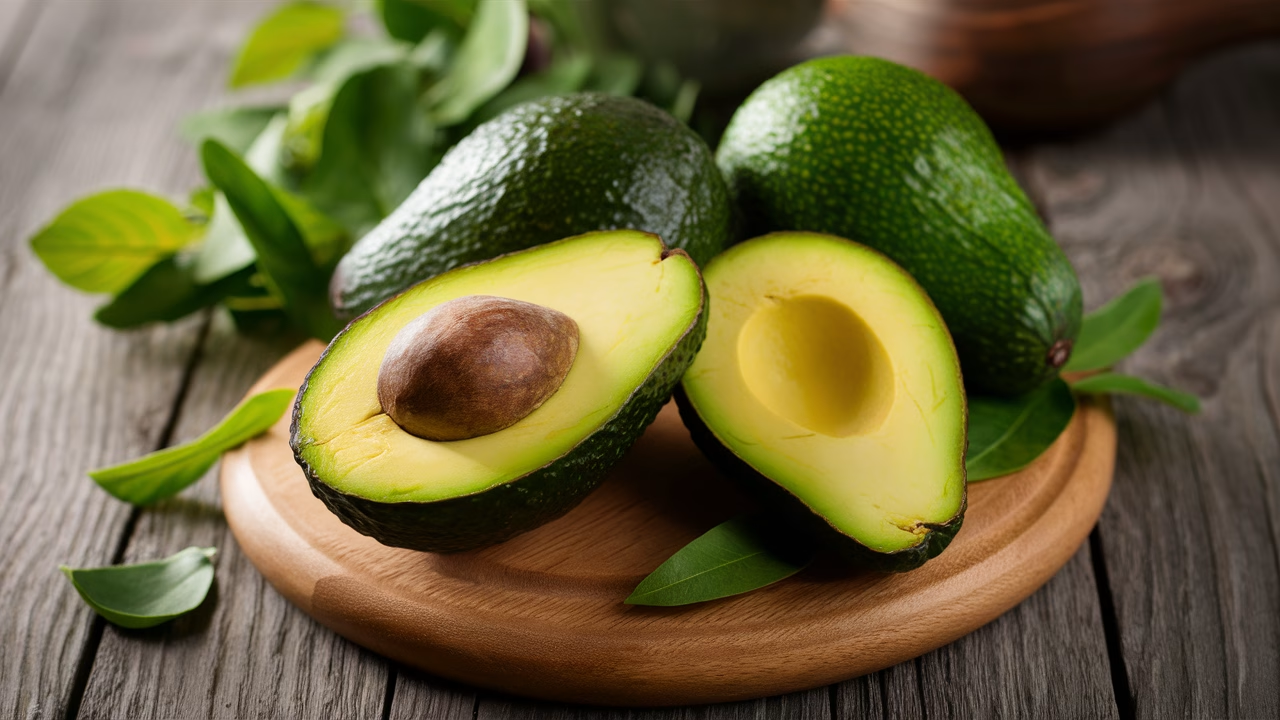
Healthy Fats + Oxygen = Smarter You
Avocados are more than Instagram-worthy toast toppings. These creamy green fruits (yes, fruits!) are high in monounsaturated fats that support blood flow to the brain. More blood flow means more oxygen, which fuels focus and cognitive performance. They’re also rich in vitamin K and folate—two nutrients that help reduce the risk of stroke and protect against cognitive decline.
Use mashed avocado in wraps, layer it on whole grain toast with lemon and cracked pepper, or dice into salads for natural memory enhancement.
4. Eggs: Your Brain’s Natural Memory Multivitamin
Eggs are tiny memory powerhouses. The key nutrient here is choline—a crucial building block for acetylcholine, the neurotransmitter most responsible for memory and learning. While many people don’t get enough choline in their diet, eggs provide about 150 mg each, which makes a meaningful difference for brain function. They’re also full of B vitamins like B6 and B12, which help regulate mood and energy production in your brain.
From scrambled to poached to hard-boiled snacks, eggs are a budget-friendly way to boost memory every morning.
5. Dark Chocolate: The Sweet Treat That Supports Memory and Thinking
Yes, you read that right—chocolate can actually help your brain, as long as it’s the high-quality kind (think 70% cocoa and up). Thanks to its rich flavonoid content, dark chocolate boosts blood flow to the brain, improves focus, and stimulates the release of endorphins. It also delivers a mild dose of caffeine and theobromine—two natural stimulants that help elevate alertness and mood while supporting brain function.
Ditch the guilt and enjoy a square or two after meals. It supports memory and satisfies your sweet tooth all in one bite.
6. Broccoli: Crunchy Greens that Protect Your Memory
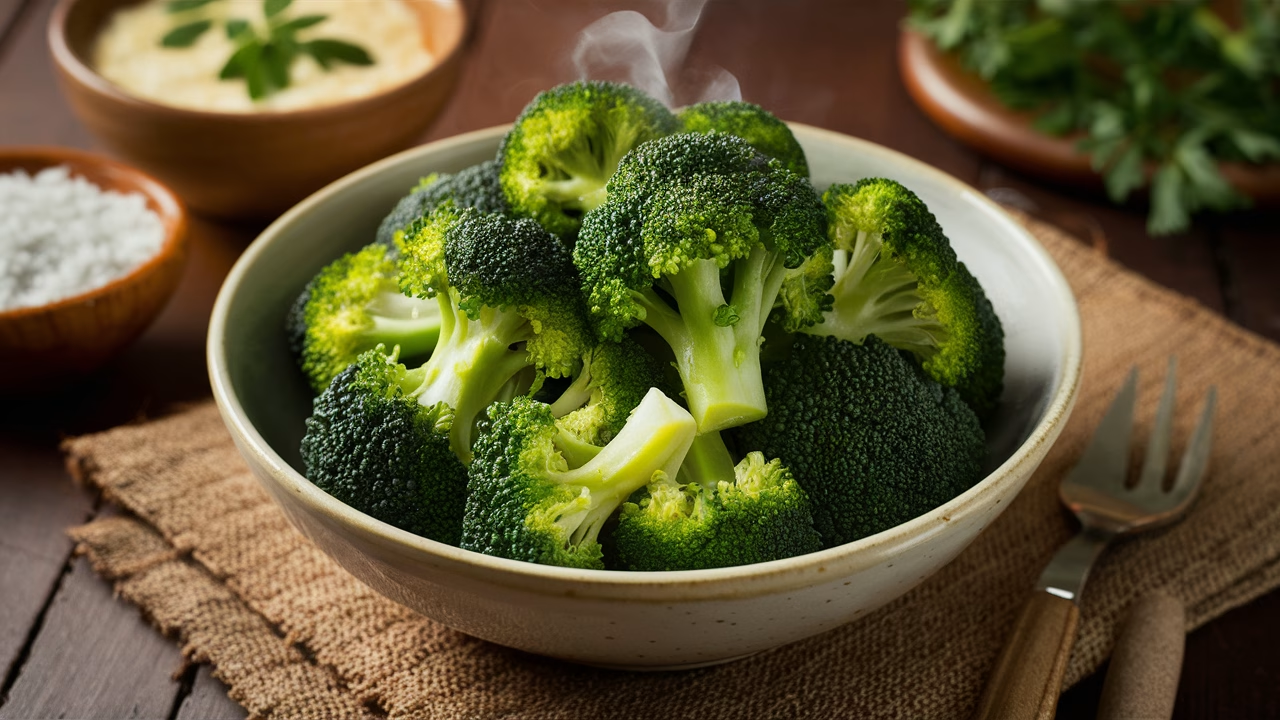
Vitamin K & Antioxidants Make This Veggie a Memory Hero
Broccoli doesn’t just belong in your childhood memories of forced dinners. It’s one of the most underrated brain foods of all time. High in antioxidants and vitamin K, broccoli forms the building blocks for sphingolipids—a type of fat dense in brain cells. Vitamin K also has strong ties to enhanced memory and recall; adults who consume vitamin K regularly perform better on memory tests, according to observational studies.
Roast it until crispy, stir-fry with garlic, or blend into a creamy soup—your mind will stay sharp either way.
7. Pumpkin Seeds: Tiny Seeds, Gigantic Brain Benefits
Pumpkin seeds may be bite-sized, but they deliver mega-dose nutrition that’s custom-built for the brain. They’re rich in magnesium, zinc, iron, and copper—all of which support different areas of cognitive health and memory function. Zinc is vital for nerve signaling, magnesium prevents overstimulation (hello, focus), iron keeps your oxygen flowing, and copper aids in controlling nerve function.
| Nutrient | Brain Benefit |
|---|---|
| Magnesium | Improves learning, reduces brain stress |
| Zinc | Supports neural communication |
| Iron | Enhances oxygen delivery |
| Copper | Assists neurotransmission |
Keep roasted seeds on hand and toss over salads, soups, yogurt, or eat them straight from the jar for natural brain support.
8. Oranges: Citrus Fuel for Memory and Mental Clarity
A single orange delivers all the vitamin C your brain could want in a day. Vitamin C is a strong antioxidant that shields your brain from oxidative stress—essentially cell damage that dulls your ability to think and remember. It also helps synthesize dopamine and norepinephrine, two neurotransmitters vital for concentration, mood, and learning while supporting brain function.
Start your day with freshly squeezed juice, add slices to your water, or simply peel and snack for natural memory enhancement.
9. Green Tea: Calm Focus In A Cup for Better Brain Function
Green tea is like yoga for your brain. It gives a small, clean caffeine jolt but pairs it with L-theanine, an amino acid that fosters a calm but alert mental state. Together, they improve focus, reduce anxiety, and prevent the jitters you’d get from coffee while naturally supporting memory function.
Sip it hot in the mornings or iced in the afternoon when your productivity dips—your brain will appreciate the natural boost.
10. Fatty Fish: Omega-Rich Brain Food for Memory Enhancement
Fatty fish like salmon, mackerel, and sardines are kings of cognitive nutrition. They’re rich in EPA and DHA—omega-3 fatty acids crucial for building brain cell membranes and improving their communication. People who consume omega-3s regularly tend to score higher in memory and logic tasks, and they’re significantly less prone to cognitive decline.
Try adding fatty fish to your dinners twice a week to feed your brain what it truly needs to thrive and maintain sharp memory function.
Cost Guide: Brain Foods on a Budget
| Brain Food | Average Weekly Cost | Tip to Save |
|---|---|---|
| Blueberries | $5–$7 | Buy frozen for better value and nutrients |
| Walnuts | $3–$5 | Buy in bulk and store sealed in fridge |
| Eggs | $2–$4 | Affordable source of choline & vitamins |
| Avocados | $4–$6 | Use half at a time; freeze leftovers |
| Pumpkin Seeds | $2–$4 | Roast your own from whole pumpkins |
How to Fix Walking Posture for Instant Sciatica Relief (5 Expert Tips)
Frequently Asked Questions
- What’s the best food for memory?
Blueberries and fatty fish are among the best due to their high antioxidant and omega-3 contents. - How long does it take to see benefits?
Improvements typically appear after a few weeks of consistent dietary changes. - Can I use supplements instead of food?
Whole foods are preferable due to their synergistic nutrients and bioavailability. - Is coffee good or bad for memory?
In moderation, coffee improves alertness, but too much can cause jitters and disrupt sleep. - Do these foods help with focus and concentration too?
Yes, most memory-boosting foods also support attention and overall cognitive health. - Can kids eat these memory foods?
Absolutely—foods like eggs, fruits, and seeds are great for growing brains. - What foods should I avoid for brain health?
Limit processed foods, refined sugar, and trans fats as they may impair memory over time.